
Why Do Panic Attacks Happen?
A panic attack can feel frightening and confusing. Your heart may suddenly start racing, your breathing can feel difficult, your chest may feel tight, and you may feel as if something terrible is about to happen. What makes it more difficult is that a panic attack can sometimes happen even when there is no obvious danger around you.
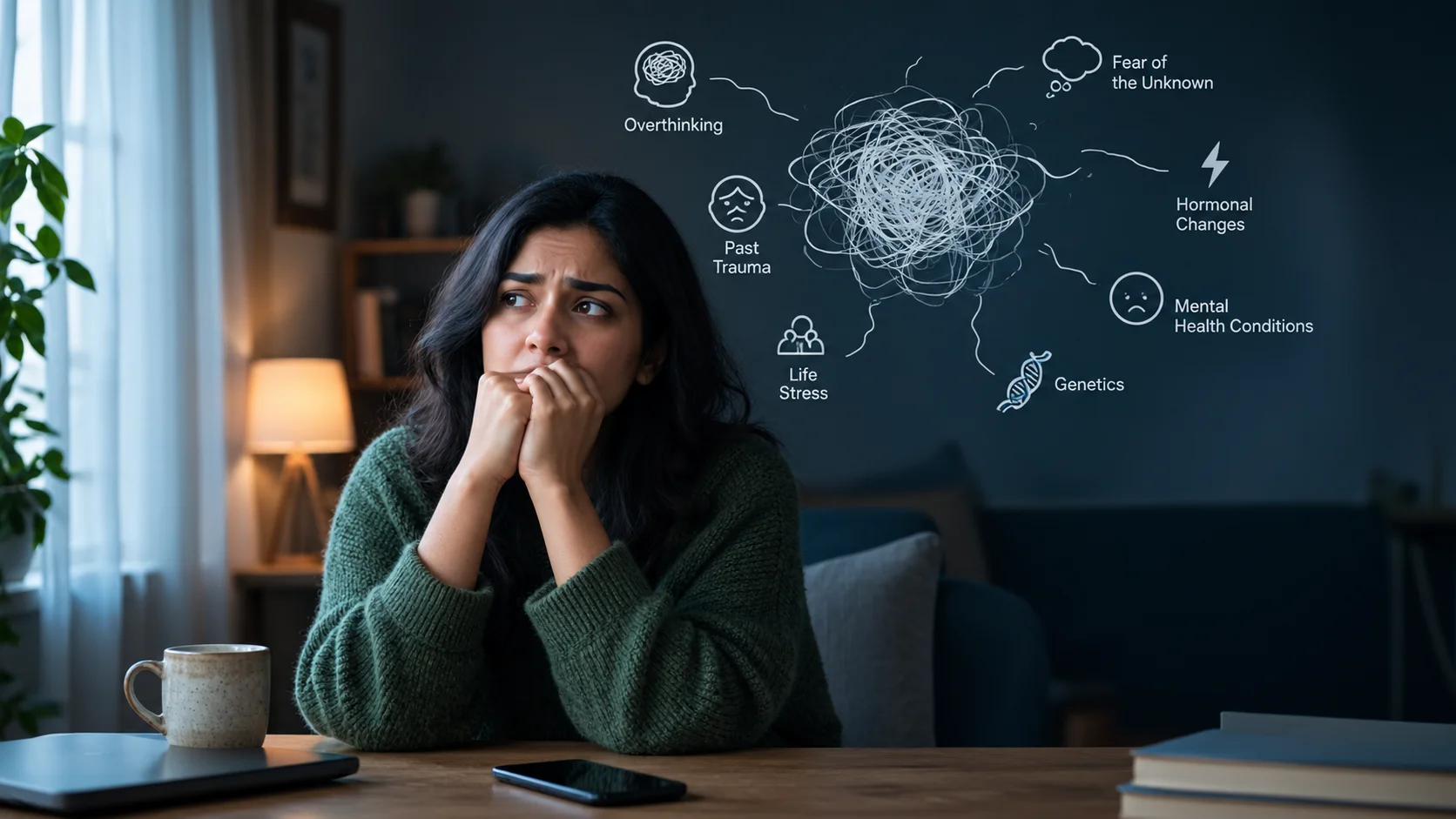
So, why do panic attacks happen? Panic attacks occur when the body’s natural alarm system becomes activated very strongly, even when there is no immediate physical threat. The brain and body respond as if you are in danger, triggering a powerful fight-or-flight response. The good news is that panic attacks are treatable, and understanding what triggers them can be an important first step toward managing them.
What Happens During a Panic Attack?
During a panic attack, the body’s nervous system can suddenly enter a high-alert state. Stress hormones are released, your heart rate may increase, breathing may become faster, and your muscles can become tense.
- Sudden intense fear or discomfort
- Racing or pounding heartbeat
- Shortness of breath and chest tightness
- Sweating or trembling
- Dizziness or lightheadedness
- Feeling detached from yourself or your surroundings
- Nausea or stomach discomfort
- Tingling or numbness
- Fear of losing control or that something serious is happening
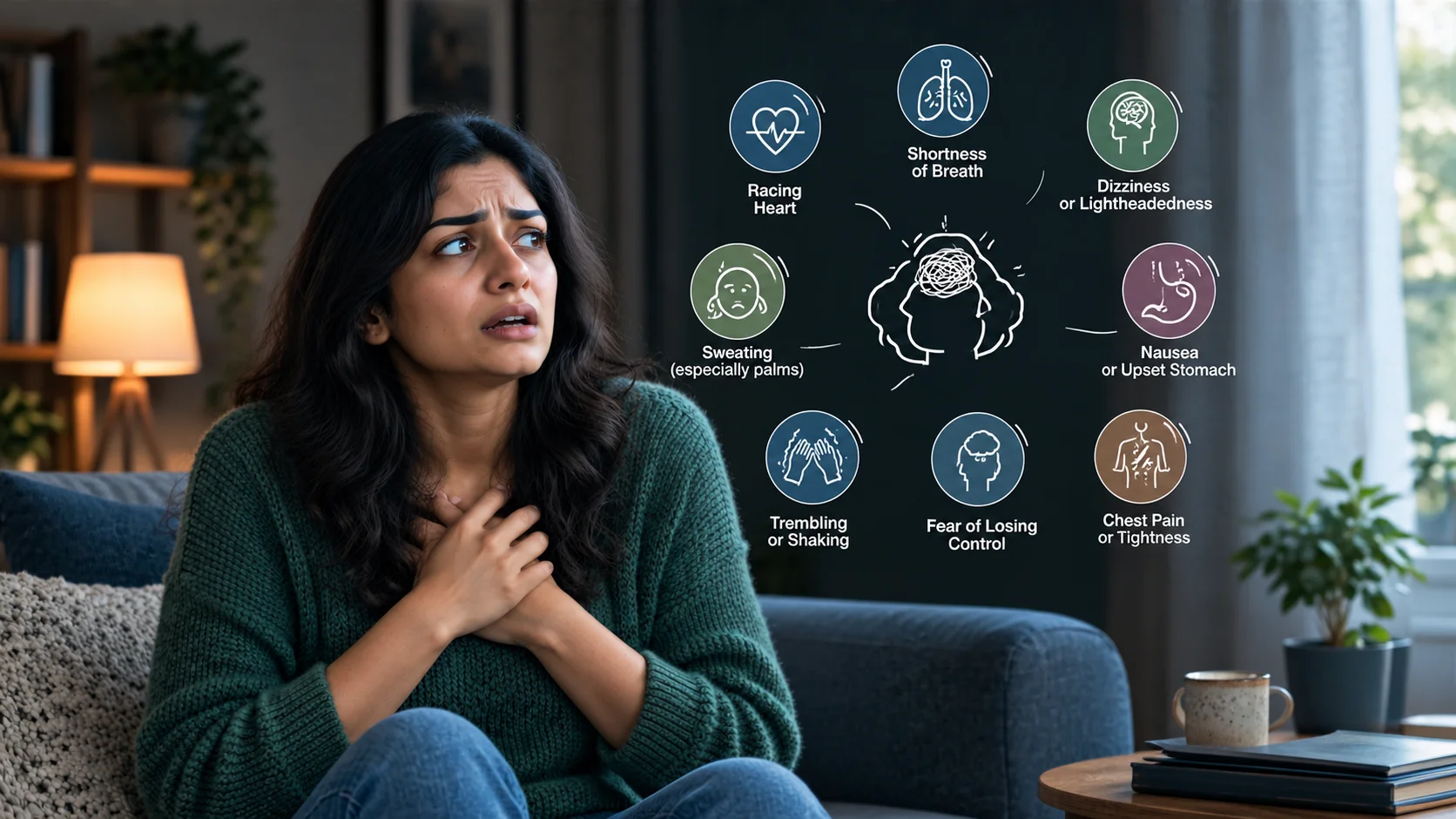
These sensations can become frightening themselves. For example, you may notice your heart beating faster, become worried about it, and then experience even more anxiety. This can create a cycle that makes the panic feel stronger.
Why Do Panic Attacks Happen?
There isn’t always one single reason. Panic attacks can develop because of a combination of psychological, physical and environmental factors:
1. High Levels of Stress
Long periods of stress can keep your body in a state of increased alertness. Work pressure, relationship difficulties, financial concerns, family problems or major life changes may gradually increase emotional tension. Sometimes a panic attack occurs when your stress level has already been building for a long time.
2. Anxiety and Excessive Worry
People experiencing ongoing anxiety may become highly sensitive to physical sensations and potential threats. A normal sensation, such as a faster heartbeat, may be interpreted as a sign that something is wrong. This fear can increase the body’s stress response and contribute to a panic attack.
3. Traumatic or Distressing Experiences
Difficult or traumatic experiences can affect how the brain responds to perceived danger. Even after the situation has ended, certain situations, thoughts, places or memories may trigger a strong stress response in some people.
4. Major Life Changes
Significant changes can place additional emotional pressure on the mind and body. Examples include moving to a new city, starting or losing a job, relationship problems, marriage or separation, bereavement, academic pressure, or financial difficulties.
5. Fear of Physical Sensations
Sometimes the symptoms themselves become a trigger. For example, you might notice: “My heart is beating very fast. What if something is wrong?” That thought can increase fear, which may cause your heartbeat and breathing to change further.
6. Caffeine and Stimulants
Large amounts of caffeine can cause sensations such as increased heart rate, restlessness and nervousness. For someone who is already anxious, these sensations may sometimes contribute to feelings of panic.
7. Lack of Sleep
Poor or insufficient sleep can affect emotional regulation and make it harder to cope with everyday stress. If you are already experiencing anxiety, several nights of poor sleep may make you feel more physically and emotionally overwhelmed.
8. Certain Medical or Medication-Related Factors
Some medical conditions, medications or substances can produce symptoms that resemble anxiety or panic. Because symptoms such as chest pain, breathing difficulty, dizziness or a racing heartbeat can have causes other than panic, persistent or new symptoms should not automatically be assumed to be anxiety.
Can Panic Attacks Happen Without a Trigger?
Yes. Sometimes a person can identify a clear trigger, while at other times a panic attack seems to happen “out of nowhere.” This doesn’t necessarily mean that there is no reason behind it. Stress, accumulated worry, physical sensations, sleep problems or other factors may have contributed without being immediately obvious.
Why Does the Fear Feel So Real?
One of the most confusing parts of a panic attack is that the danger can feel completely real. The body’s fight-or-flight system is designed to protect you. When it becomes activated, your brain and body prepare to respond quickly. Your heart may beat faster to circulate blood, your breathing may change, and your muscles may tense. During a panic attack, these responses can occur even when there isn’t an immediate external threat. This is why telling someone simply to “calm down” rarely helps right away.
Can Panic Attacks Become a Repeating Cycle?
They can. After experiencing a frightening panic attack, a person may become afraid that it will happen again. This can lead to thoughts such as:
- “What if I have another attack?”
- “What if it happens while I’m outside or driving?”
- “What if I can’t get help or lose control?”
- “What if people around me notice?”
The fear of another panic attack can sometimes lead to avoiding certain places or activities. Over time, this avoidance can increase anxiety and make everyday life more difficult.

When Should You Seek Professional Help?
Consider speaking with a qualified mental health professional if panic attacks:
- Keep happening repeatedly
- Are interfering with work, studies or personal relationships
- Cause you to avoid normal day-to-day activities
- Make you constantly worry about another episode occurring
- Are affecting your sleep architecture or daily routine
- Feel overwhelming to manage alone
Can Panic Attacks Be Treated?
Yes. Panic attacks and related anxiety conditions can be managed with appropriate professional support. Depending on the individual’s situation, treatment may involve psychological therapy (such as Cognitive Behavioral Therapy), lifestyle changes, coping strategies and, when appropriate, medication prescribed by a qualified physician. Therapy can help a person understand the connection between thoughts, physical sensations and fear, while teaching practical ways to respond differently when anxiety begins to rise.
You Don’t Have to Face Panic Alone
Experiencing a panic attack does not mean you have to live in continuous fear of the next one. Professional counseling can help you uncover underlying stress patterns, reduce anticipatory fear, and regain confidence in your daily life.
Book an Online Counseling Session