
Panic Attack Treatment: Causes, Symptoms, Therapy & Recovery
A panic attack can feel frightening and confusing. Your heart may suddenly start racing, your breathing may feel difficult, your chest may feel tight, and you may become convinced that something is seriously wrong. Even when the episode passes, the fear of having another one can stay with you.
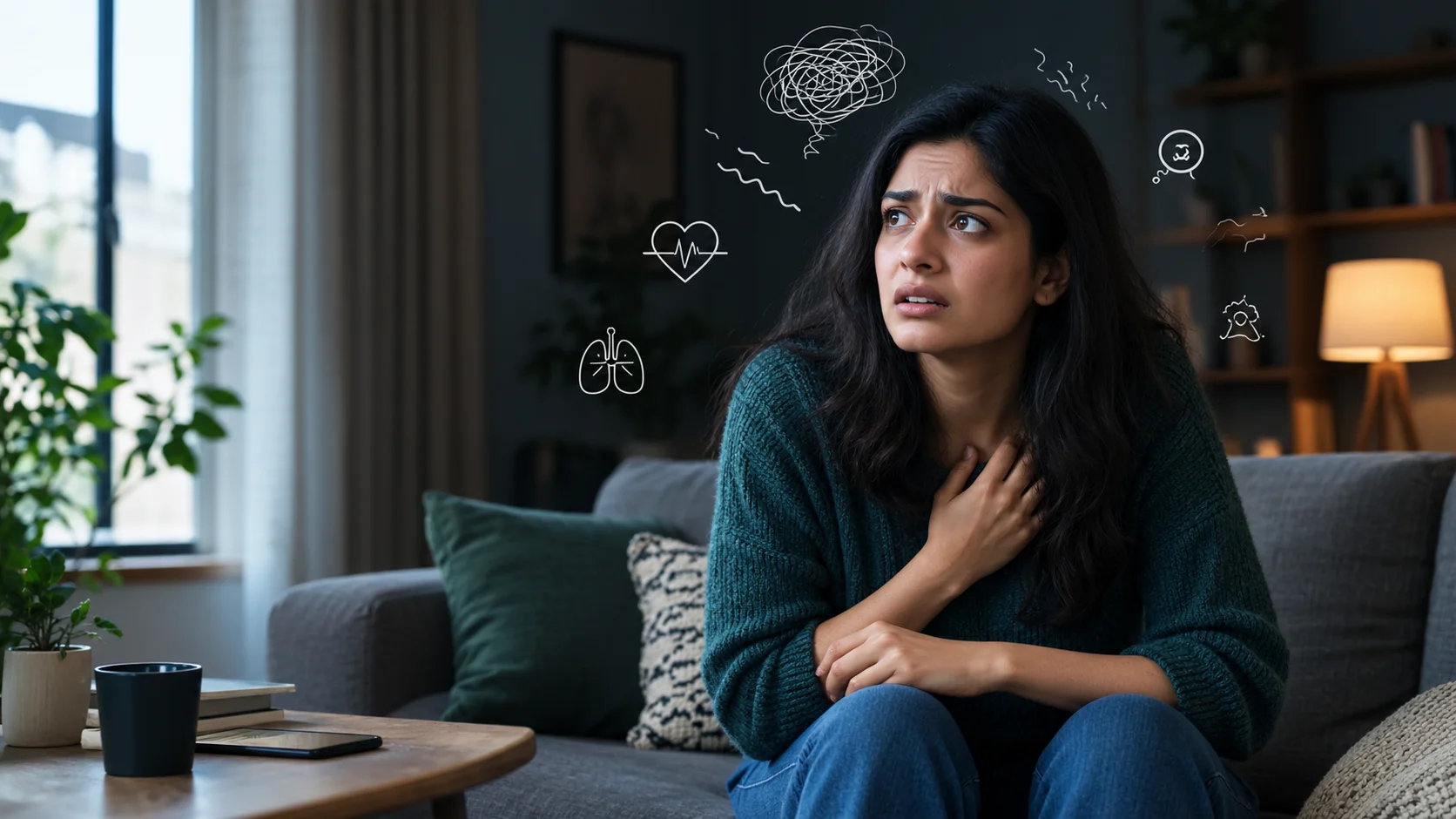
The good news is that panic attacks can be managed and treated. The right approach depends on what is causing or triggering them, how often they happen, and how much they are affecting your daily life. This guide explains panic attack treatment, common causes and symptoms, how therapy can help, and what recovery may look like.
What Is a Panic Attack?
A panic attack is a sudden period of intense fear or discomfort that can come on unexpectedly or in response to a particular situation. During an attack, the body’s stress response can become very intense. Physical sensations may appear alongside frightening thoughts, which can then make the symptoms feel even stronger.
For example, someone may notice their heart beating rapidly and immediately think, “Something is wrong with my heart.” That thought can increase fear, which may make the physical sensations more noticeable.
A panic attack can happen to someone who has never experienced one before. Repeated panic attacks, however, may need professional assessment, particularly when they begin affecting work, relationships, sleep, travel, or everyday activities.
Common Panic Attack Symptoms
Panic attacks can affect both the body and the mind. Not everyone experiences the same combination of anxiety symptoms. Common symptoms include:
- Sudden intense fear or discomfort
- Rapid or pounding heartbeat
- Shortness of breath or feeling unable to breathe normally
- Chest tightness or discomfort
- Sweating and trembling
- Dizziness or light-headedness
- Nausea or stomach discomfort
- Tingling or numbness in extremities
- Feeling unusually hot or cold
- Feeling detached or unreal (depersonalization)
- Fear of losing control or that something terrible is about to happen

What Causes Panic Attacks?
There is rarely one simple explanation for why a person experiences panic attacks. They can be associated with several psychological, physical, environmental, and lifestyle factors. Sometimes an attack appears to happen “out of nowhere,” even though there may be underlying stress or triggers.
1. Ongoing Stress
Long periods of emotional pressure can leave the body in a heightened state of alertness. Work pressure, relationship difficulties, financial concerns, academic stress, or major life changes may contribute to increased anxiety. Learning effective stress management techniques can be vital in lowering this baseline tension.
2. Anxiety and Fear
People who already experience significant anxiety may become highly sensitive to physical sensations such as a faster heartbeat or changes in breathing. The sensation itself can then become frightening, creating a cycle of fear.
3. Previous Panic Attacks
After experiencing a frightening attack, some people become worried about having another one. They may start monitoring their heartbeat, breathing, dizziness, or other sensations. This constant checking and overthinking can increase anxiety and make ordinary physical sensations feel threatening.
4. Sleep Problems and Exhaustion
Poor sleep and ongoing exhaustion can make it harder to regulate stress and emotions. When someone is already overwhelmed, even relatively small concerns may feel much more difficult to handle.
5. Certain Situations or Triggers
For some people, panic is connected with particular situations, such as crowded places, driving, public speaking, travelling, enclosed spaces, or being far from home.
6. Physical or Substance-Related Factors
Caffeine, nicotine, certain substances, some medications, and other physical factors can sometimes contribute to sensations that resemble or intensify anxiety. Discuss recurring physical patterns with a doctor rather than altering prescribed medications on your own.
Panic Attack Treatment Options
Treatment varies from person to person. A mental-health professional can help assess the symptoms and determine what type of support may be appropriate through specialized anxiety counseling. Common approaches include psychological therapy, lifestyle changes, medical evaluation, and, when clinically appropriate, medication prescribed by a qualified physician.
Therapy for Panic Attacks
Therapy is commonly used to help people understand and manage panic symptoms. One primary approach is Cognitive Behavioral Therapy (CBT). CBT helps a person identify unhelpful thought patterns and understand how thoughts, physical sensations, emotions, and behaviours interact.
For example, therapy may explore thoughts such as: “If my heart is racing, I must be in danger.” Instead of asking someone to simply “think positively,” therapy equips them to examine interpretations rationally and develop grounded ways to respond.

What Can You Do During a Panic Attack?
When a panic attack begins, the immediate goal is not necessarily to force the sensations to disappear instantly. Trying desperately to stop every sensation can sometimes increase fear. Instead, try to create a sense of safety:
- Slow down and stay where you are: Moving around frantically or repeatedly checking your pulse may escalate distress.
- Remind yourself it is temporary: The sensation is frightening, but a panic spike peaks within minutes and gradually subsides.
- Focus on steady breathing: Avoid taking forceful, huge gulps of air. Breathe in gently and exhale slowly.
- Ground yourself in your surroundings: Look around and name 5 things you can see, 4 you can touch, 3 you can hear.
- Reduce stimulation: Step away into a quieter space with fresh airflow if possible.
Recovery From Panic Attacks
Recovery does not necessarily mean that you will never experience anxiety again. A more realistic goal is to understand your symptoms, reduce the fear surrounding them, improve your ability to respond to stressful situations, and prevent panic from controlling your decisions.
When Should You Seek Professional Help?
Consider speaking with a qualified mental health professional through online mental health counseling if:
- Panic attacks are happening repeatedly
- You constantly worry about when the next attack will happen
- You are avoiding driving, public spaces, or social outings
- Anxiety is disrupting your sleep, work, or academics
- You frequently monitor your body for signs of danger
- You feel overwhelmed trying to manage it alone
Frequently Asked Questions
Take the First Step Toward Calm
If panic attacks or anxiety are affecting your daily life, online counseling can give you a private and structured space to discuss what you’re experiencing. You can book an online counseling session with Vaibhav Mishra to explore appropriate support.
Book a Counseling Session