
Why Do I Keep Getting Panic Attacks?
Having a panic attack once can be frightening. But when panic attacks start happening repeatedly, many people begin asking themselves, “Why does this keep happening to me?” or “Am I losing control?”

The good news is that recurrent panic attacks can often be understood and managed with the right support. Repeated attacks do not mean that something is permanently wrong with you. They can be connected to stress, anxiety, certain triggers, physical sensations, lifestyle factors, or sometimes an underlying medical condition. Understanding what may be contributing to your panic attacks is an important first step toward managing them.
What Is a Panic Attack?
A panic attack is a sudden episode of intense fear or discomfort that can come on unexpectedly or in response to a particular situation. During an attack, the body’s natural fight-or-flight response can become highly activated. This may happen even when there is no immediate physical danger.
- Sudden intense fear or panic
- Racing or pounding heartbeat
- Shortness of breath or chest discomfort
- Sweating and trembling
- Dizziness or light-headedness
- Feeling detached from yourself or your surroundings (depersonalization)
- Nausea or stomach discomfort
- Tingling or numbness
- Fear of losing control or that something terrible is about to happen
The symptoms can feel extremely real and overwhelming, which can make the experience even more frightening.
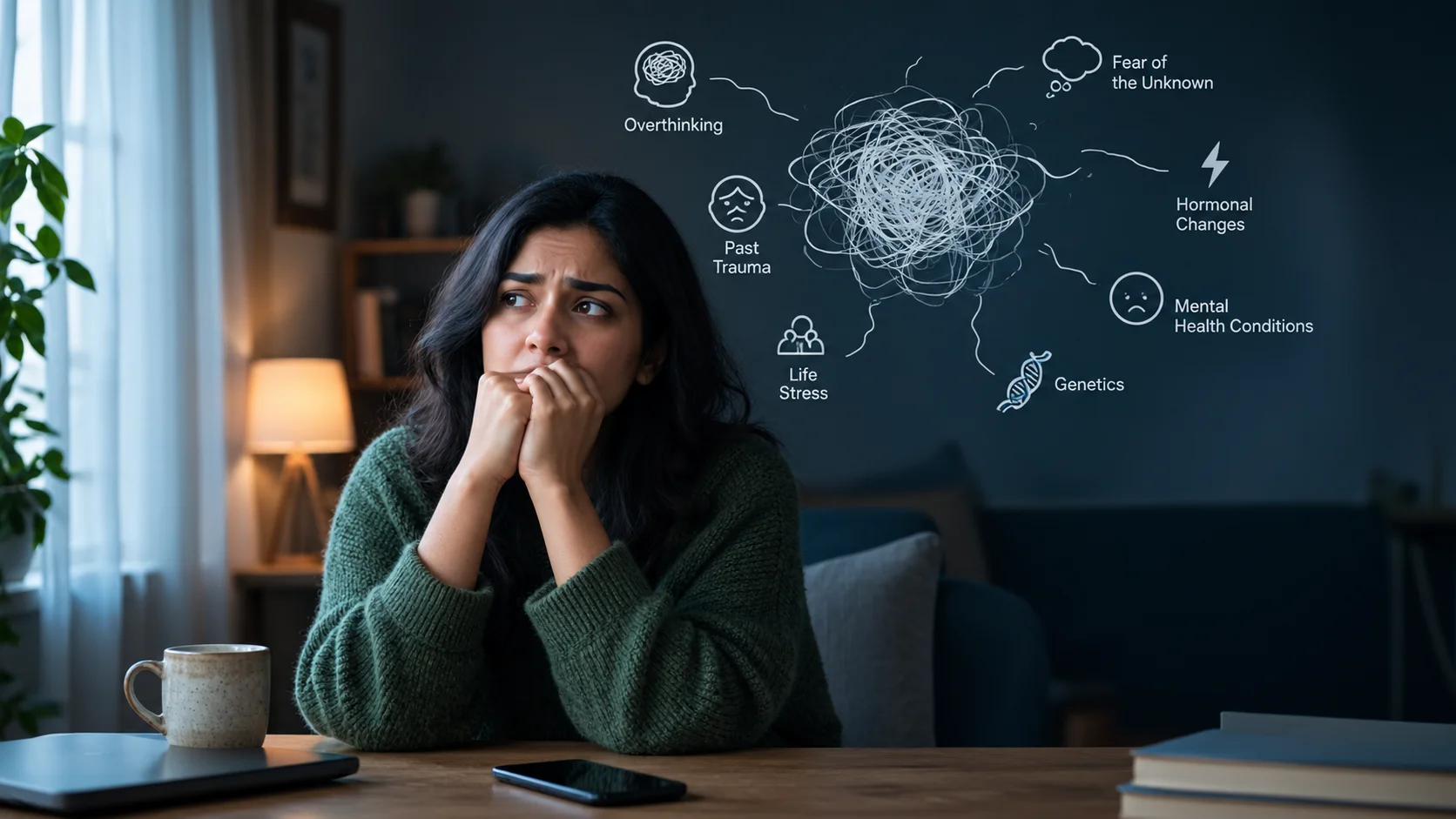
Why Do I Keep Getting Panic Attacks?
There isn’t always one single reason for recurrent panic attacks. Several key factors can contribute to them:
1. Ongoing Stress
Long-term stress can keep your body and mind in a heightened state of alertness. Work pressure, relationship difficulties, financial concerns, family problems, academic pressure or major life changes can all contribute to increased stress. Sometimes, a person may feel that they are coping well, while their body is still carrying a significant amount of tension.
2. Fear of Having Another Panic Attack (Anticipatory Anxiety)
One of the most important factors in recurring panic attacks can be the fear of another attack. After experiencing a frightening episode, you may start constantly monitoring your body:
- “Is my heart beating faster?”
- “Why am I feeling dizzy right now?”
- “What if I have another attack in public?”
This constant monitoring can increase anxiety. Anxiety can then produce physical sensations that feel similar to the beginning of a panic attack, creating a cycle of fear and panic.
3. Avoiding Certain Places or Situations
You may begin avoiding places where you previously experienced panic, such as crowded places, public transport, shopping centres, travelling alone, meetings, or being far from home. Avoidance may provide temporary relief, but it can also reinforce the belief that those situations are dangerous, ultimately making anxiety stronger over time.
4. Overthinking and Constant Worry
People who spend a lot of time worrying about possible negative outcomes may become more sensitive to changes in their body and emotions. A small physical sensation, such as a faster heartbeat, may be interpreted as something dangerous.
Can Lack of Sleep Make Panic Attacks Worse?
Poor sleep can affect how your body responds to stress. When you are consistently tired, you may find it harder to regulate emotions, concentrate or cope with everyday pressure. You may also become more aware of physical sensations such as fatigue, dizziness or a racing heartbeat. Maintaining a consistent sleep schedule can be one useful part of an overall mental-health routine.
Can Caffeine Trigger Panic Attacks?
For some people, high amounts of caffeine can increase feelings such as nervousness, restlessness or a racing heartbeat. These sensations can sometimes be mistaken for signs that a panic attack is beginning. If you notice that panic or anxiety tends to increase after coffee, energy drinks or other caffeinated beverages, observe whether moderating your intake makes a positive difference.
Why Do Panic Attacks Sometimes Happen Without an Obvious Reason?
A panic attack doesn’t always have an obvious trigger. Sometimes the buildup may involve several smaller factors rather than one major event. Stress, lack of sleep, worrying, physical sensations and emotional pressure can accumulate quietly without you consciously noticing. Keeping a simple journal of when attacks occur, what you were doing, and how you felt beforehand can help you identify subtle patterns.
What Happens If I Keep Worrying About My Symptoms?
Repeatedly checking your heartbeat, breathing or other physical sensations can increase your attention toward them. For example, noticing a slightly faster heartbeat can lead to the thought: “Something is wrong with me.” That thought can trigger fear, which then speeds up your pulse further. The physical response is real, but recognizing the connection between thought and physical sensation helps dismantle this loop.
What Can Help With Recurrent Panic Attacks?
Treatment depends on the individual and the underlying cause. A mental-health professional can help you understand your symptoms and develop an appropriate treatment plan:
- Psychological Therapy: Cognitive Behavioural Therapy (CBT) helps identify catastrophic thought patterns, normalize bodily sensations, and gradually change avoidance behaviours that maintain fear.
- Relaxation and Grounding Skills: Slow breathing and sensory grounding exercises can help regulate the nervous system when adrenaline begins to rise.
- Lifestyle Adjustments: Optimizing sleep hygiene, moderating caffeine and alcohol intake, staying physically active, and prioritizing regular meals.
When Should You Talk to a Professional?
Consider speaking with a qualified mental-health professional if panic attacks:
- Keep happening repeatedly
- Are interfering with your career, academics, or relationships
- Cause you to avoid normal day-to-day activities
- Make you live in persistent fear of when the next attack will strike
- Feel overwhelming to navigate alone
You Don’t Have to Keep Living in Fear of the Next Attack
Repeated panic attacks can make everyday life feel unpredictable. You may start planning your day around the possibility of another attack or avoiding situations that once felt normal. But recurrent panic does not have to define your life.
Understanding the panic cycle, identifying possible triggers and getting appropriate professional support can help you regain a sense of control and calm.
Break the Cycle of Recurring Panic
If panic attacks are repeatedly affecting your daily life, professional assessment can help you understand what is contributing to them and build practical coping strategies. Reach out directly to schedule a confidential session.
Chat on WhatsApp to Book Session