
How to Stop Panic Attacks: Practical Steps to Regain Control
A panic attack can feel frightening and overwhelming. Your heart may start racing, your breathing may become uncomfortable, your hands may shake, or you may suddenly feel that something terrible is about to happen. Even though the experience can feel extremely intense, panic attacks can be managed, and effective treatment is available.
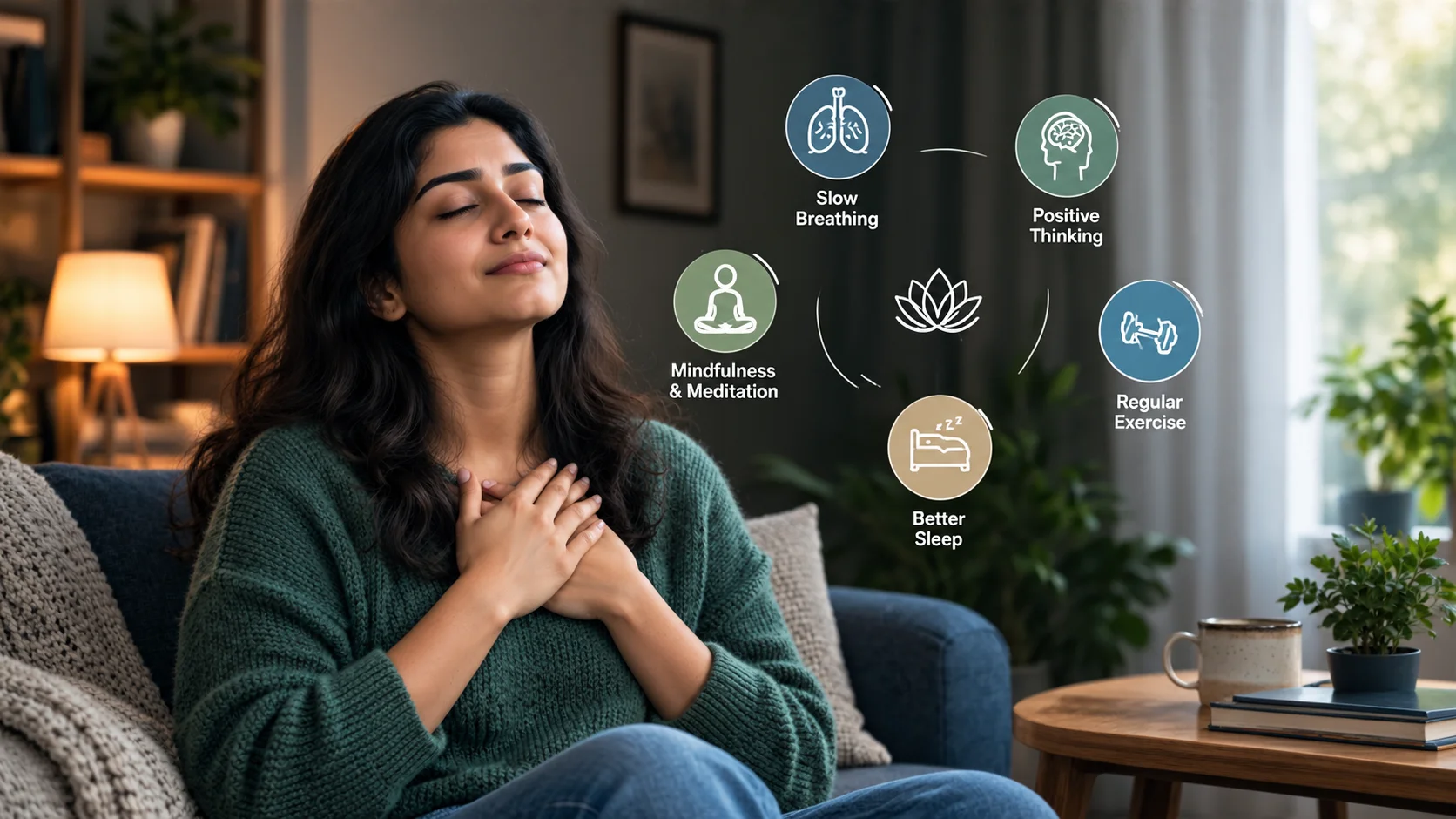
If you frequently experience panic attacks, understanding what happens during an episode and learning practical coping strategies can help you respond with greater confidence.
What Is a Panic Attack?
A panic attack is a sudden episode of intense fear or discomfort that can develop even when there is no immediate danger. It may come unexpectedly or occur in situations that have become associated with fear or stress. Common symptoms can include:
- Rapid heartbeat
- Shortness of breath or uncomfortable breathing
- Chest discomfort
- Sweating or chills
- Shaking or trembling
- Dizziness or lightheadedness
- Feeling detached or unreal
- Nausea or stomach discomfort
- Tingling or numbness
- Fear of losing control or something terrible happening
The symptoms can feel very real and powerful, which can make the attack itself more frightening.
How to Stop a Panic Attack in the Moment
1. Remind Yourself That It Will Pass
During a panic attack, the mind can interpret physical sensations as signs of immediate danger. Rather than fighting every sensation, acknowledge what is happening and give yourself time to settle.
2. Slow Down Your Breathing
Rapid or irregular breathing can make feelings of panic more uncomfortable. Focus on breathing gently and slowly rather than taking repeated large breaths.
- Breathe in gently through your nose for a count of 4.
- Let the breath out slowly through your mouth for a count of 6.
- Keep your shoulders relaxed.
- Continue for several minutes without forcing the breath.

3. Bring Your Attention to the Present (5-4-3-2-1 Grounding)
Panic can make you focus intensely on internal sensations and frightening thoughts. Sensory grounding techniques redirect your attention toward your external environment:
4. Relax Your Body
Anxiety can cause your muscles to lock up without you realizing it. Sit somewhere comfortable if possible and consciously scan and relax your:
- Unclench your jaw and drop your tongue from the roof of your mouth
- Lower your shoulders away from your ears
- Open tight fists and loosen hands
- Soften your stomach muscles and neck
5. Avoid Constantly Checking Your Symptoms
During panic, you may repeatedly check your heartbeat, breathing, chest sensations or other physical symptoms. This hyper-focus increases nervous system alertness and reinforces the fear loop. Instead, gently redirect your attention to your surroundings, slow breathing or a neutral task.
What If Panic Attacks Keep Coming Back?
If panic attacks happen repeatedly, simply trying to control each individual episode may not address the root trigger. Recurring panic attacks can sometimes be associated with ongoing anxiety, chronic stress, specific fears, difficult life experiences or panic disorder. A mental health professional can help identify possible triggers and develop an appropriate treatment plan.
Therapy for Panic Attacks
Psychological therapy can be an important part of treatment for recurring panic attacks. Approaches like Cognitive Behavioral Therapy (CBT) help you:
- Understand what is biologically occurring during a panic surge
- Identify catastrophic thoughts and underlying situational triggers
- Normalize and reduce fear surrounding rapid heartbeat and dizziness
- Gradually overcome situational avoidance (crowds, travel, enclosed spaces)
- Build long-lasting coping and distress tolerance tools
How to Prevent Future Panic Attacks
There is no single technique that prevents every panic attack, but several lifestyle habits support a calm nervous system:
- Maintaining a steady, regular sleep schedule
- Practicing relaxation or gentle breathwork daily
- Staying physically active with light, rhythmic exercise
- Limiting excessive caffeine and stimulants that spike heart rate
- Eating regular, balanced meals to prevent blood sugar drops
- Seeking professional guidance when attacks begin interfering with your life
When Should You Seek Professional Help?
Consider speaking with a mental health professional if:
- Panic attacks are happening repeatedly
- You are avoiding work, travel, social situations or other activities because of fear
- You constantly worry about having another attack
- Anxiety is affecting your sleep or daily routine
- You are finding it difficult to manage symptoms on your own
You Don’t Have to Face Panic Alone
Panic attacks can make you feel as though you have lost control, but experiencing panic does not mean that you are powerless. With the right understanding, coping strategies and professional support when needed, many people learn to manage panic and return to their normal activities.
Learn Practical Steps to Regain Control
If panic attacks are becoming a regular part of your life, speaking with a qualified mental health professional can provide clarity and structured guidance. Schedule a confidential counseling session today.
Chat on WhatsApp to Book Session