
What Is Depression? Understanding Depression and How It Feels
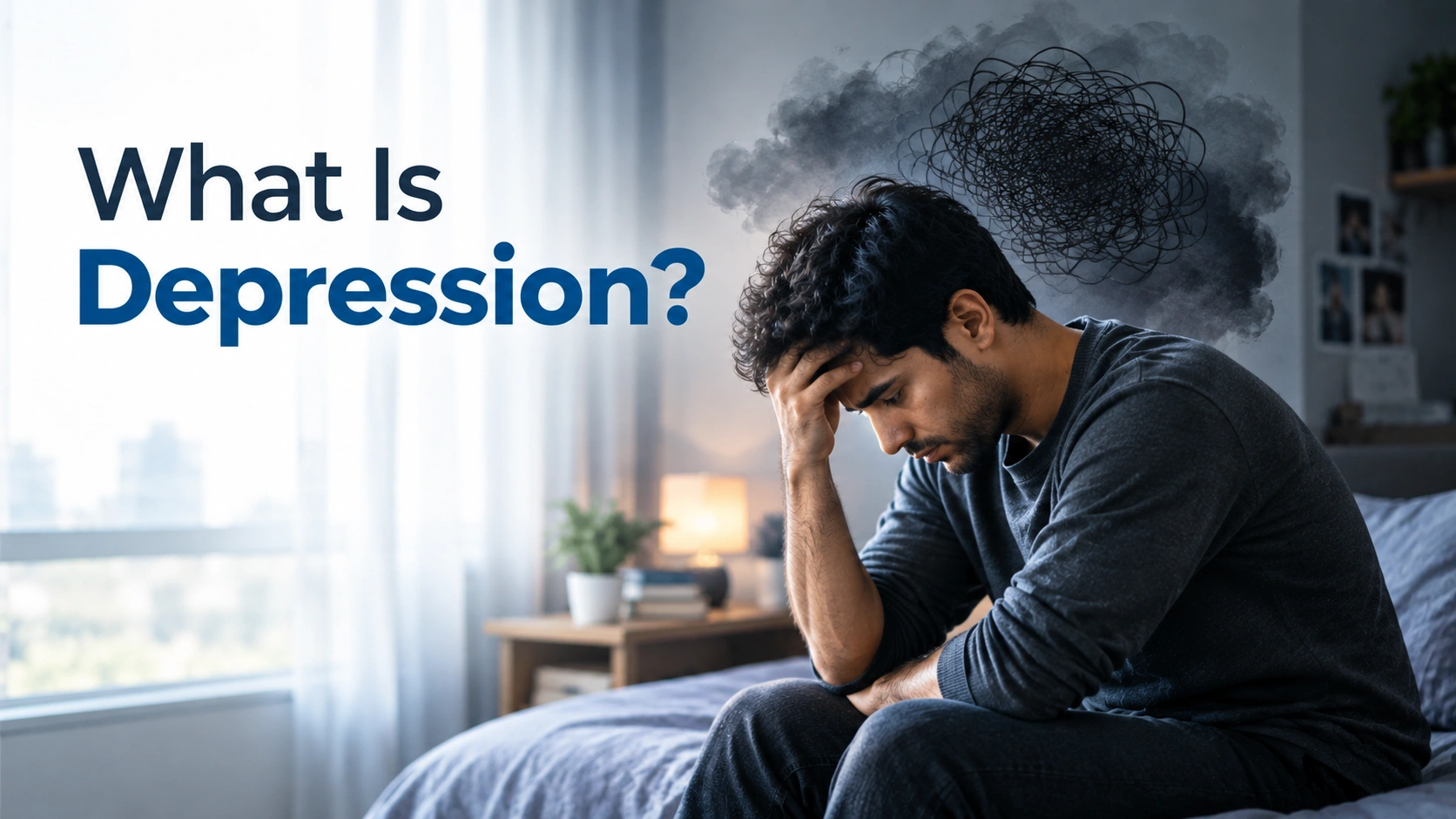
Depression is a mental health condition that can affect a person’s mood, thoughts, emotions, behavior, and everyday life. It is more than simply feeling sad or having a bad day. A person experiencing depression may feel persistently low, lose interest in things they once enjoyed, feel emotionally empty, or find ordinary responsibilities unusually difficult.
Sometimes depression is easy to notice. At other times, a person may continue working, studying, socializing, and taking care of responsibilities while privately struggling with low mood and emotional exhaustion.
Understanding what depression is can be an important first step toward recognizing when emotional difficulties may need attention.
What Does Depression Mean?
In simple terms, depression refers to a persistent pattern of low mood or reduced interest and enjoyment that can affect different areas of a person’s life.
Everyone experiences difficult emotions. Feeling sad after an argument, disappointment, failure, rejection, or loss is a normal part of life. These feelings do not automatically mean someone is depressed.
Depression is different because the emotional changes may persist and can begin affecting how a person thinks, behaves, sleeps, works, studies, or interacts with other people.
A person with depression might think:
- “I don’t feel like myself anymore.”
- “Nothing feels enjoyable.”
- “I don’t have the energy to do anything.”
- “I just want to be left alone.”
- “I can’t concentrate like I used to.”
- “I don’t see much to look forward to.”
Not everyone with depression experiences all of these thoughts. Depression can look different from one person to another.
Is Depression Just Sadness?
No. Depression and sadness are not exactly the same thing.
Sadness is a normal emotional response to something difficult. For example, losing an opportunity, ending a relationship, experiencing a personal disappointment, or going through grief can naturally make someone feel sad.
Depression can involve sadness, but it may also involve a broader change in emotional and everyday functioning.
Someone may stop enjoying activities they previously loved, withdraw from people, struggle with motivation, experience changes in sleep or appetite, or find it difficult to concentrate.
The key point is that being sad does not automatically mean you have depression. Similarly, depression does not always appear as obvious sadness.
Some people primarily experience emptiness, numbness, irritability, exhaustion, or loss of interest.
What Does Depression Feel Like?
There is no single way that depression feels.
For one person, it may feel like carrying a heavy emotional weight throughout the day. For another, it may feel like having no emotional energy or motivation.
Some people describe depression as feeling disconnected from things that once mattered to them.
For example, a person may continue watching their favorite shows, meeting friends, or participating in hobbies, but the activities no longer feel enjoyable in the same way.
Others may become increasingly withdrawn. Answering messages can feel tiring, going outside may feel difficult, and even small responsibilities can seem overwhelming.
Depression can also influence the way a person sees themselves and their future. Negative self-talk, excessive guilt, feelings of worthlessness, or hopeless thoughts can sometimes become part of the experience.
These experiences can be distressing, but they do not mean that a person is weak or simply “not trying hard enough.”

Can Depression Affect the Body?
Yes. Depression is not only an emotional experience.
Changes in mood can occur alongside physical and behavioral changes. Some people may notice low energy or persistent tiredness, changes in sleep, changes in appetite, reduced activity, difficulty concentrating, slower motivation, or physical heaviness and feeling drained.
These experiences can also occur for many other reasons, including physical health conditions, stress, sleep problems, or lifestyle factors.
Therefore, a physical symptom by itself should not be treated as proof of depression.
What Happens to Interest and Motivation During Depression?
One of the experiences associated with depression is losing interest or pleasure in activities that previously felt meaningful.
Imagine someone who normally enjoys meeting friends every weekend. Over time, they may start cancelling plans because they do not feel interested in going anywhere.
A person who once enjoyed exercising may stop doing it. Someone who loved their hobbies may leave them untouched for weeks.
This is not necessarily because the person has consciously decided that they no longer care.
Depression can affect motivation and the ability to experience pleasure, which can make ordinary activities feel much harder.
This can create a cycle in which reduced activity leads to less positive interaction and enjoyment, which may further contribute to feeling low.
Can Depression Affect the Way You Think?
Depression can influence thinking patterns as well as emotions.
A person may become more focused on negative experiences or repeatedly criticize themselves. They may interpret ordinary mistakes as evidence that they are failing or believe that their current situation will never improve.
For example, making one mistake at work might lead someone to think: “I’m completely useless. I always mess everything up.”
This is different from simply recognizing, “I made a mistake and I need to correct it.”
Persistent negative thinking can become emotionally exhausting and may influence behavior, relationships, and motivation. If you struggle with repetitive mental loops, you can also read our guide on how to stop overthinking and anxiety.
However, having occasional negative thoughts does not automatically mean someone has depression. What matters is the overall pattern and its impact on the person’s life.
Can Someone Have Depression Without Looking Sad?
Yes.
This is one of the reasons depression can be difficult to recognize. Someone may laugh with friends, perform well at work, attend college, post normally on social media, or appear confident in public while experiencing significant emotional difficulties privately.
Some people become good at hiding what they are going through.
Others may not even realize that their difficulties could be related to depression. They may simply think they are tired, unmotivated, stressed, or “not themselves.”
This is why appearance alone cannot tell you whether someone is experiencing depression.
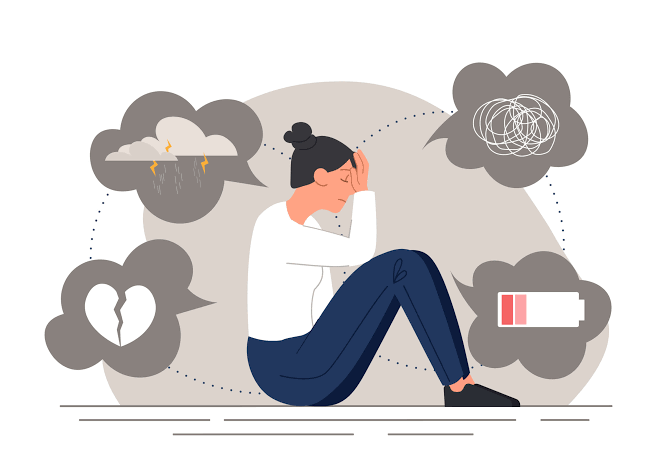
Why Is It Important to Understand Depression?
Understanding depression can help remove some of the common misconceptions surrounding mental health.
Depression is not simply a matter of being lazy, weak, negative, or unwilling to change.
A person experiencing depression may genuinely want to feel better but find it difficult to make changes because their mood, motivation, thinking, and daily functioning have all been affected.
Understanding this can also make it easier to have supportive conversations with someone who may be struggling.
Instead of saying: “Just think positively.”
A more supportive approach may be: “You’ve seemed different lately. If something is bothering you, I’m here to listen.”
Sometimes feeling heard without judgment can make it easier for someone to talk about what they are experiencing.
Is Depression the Same for Everyone?
No.
Depression can vary considerably between individuals.
One person may experience mostly low mood and loss of interest. Another may struggle more with sleep, exhaustion, concentration, or withdrawal from other people.
Age, personality, life circumstances, physical health, stress, relationships, and previous experiences can all influence how emotional difficulties appear.
This is why reading about depression online should not be used to diagnose yourself or another person.
A mental health counselor can help assess the broader picture if someone is concerned about persistent changes in mood or functioning.
When Does Low Mood Need More Attention?
Feeling low occasionally is part of being human.
It may be worth taking your emotional health more seriously when changes in mood, interest, motivation, thinking, or daily functioning persist or begin interfering with important areas of life.
For example, you may notice that you are consistently withdrawing from people, struggling to complete normal responsibilities, losing interest in nearly everything, or finding it increasingly difficult to manage everyday life.
You do not need to wait until things become unbearable before talking to a professional.
If you are unsure whether what you are experiencing is depression, speaking with a qualified mental health professional can help you understand your situation rather than trying to reach a conclusion from symptoms alone.

Final Thoughts
So, what is depression?
Depression is a mental health condition that can affect much more than mood. It can influence the way a person thinks, behaves, sleeps, works, interacts with others, and experiences activities that once brought enjoyment.
It does not always look like sadness, and someone experiencing depression may not always appear distressed to the people around them.
If you have noticed persistent changes in your mood, interest, motivation, or everyday functioning, it may be worth discussing what you are experiencing with a qualified mental health professional.
Understanding what is happening is often a more useful first step than blaming yourself for not being able to “snap out of it.”