
Depression Treatment: Symptoms, Causes, Therapy & How to Get Help
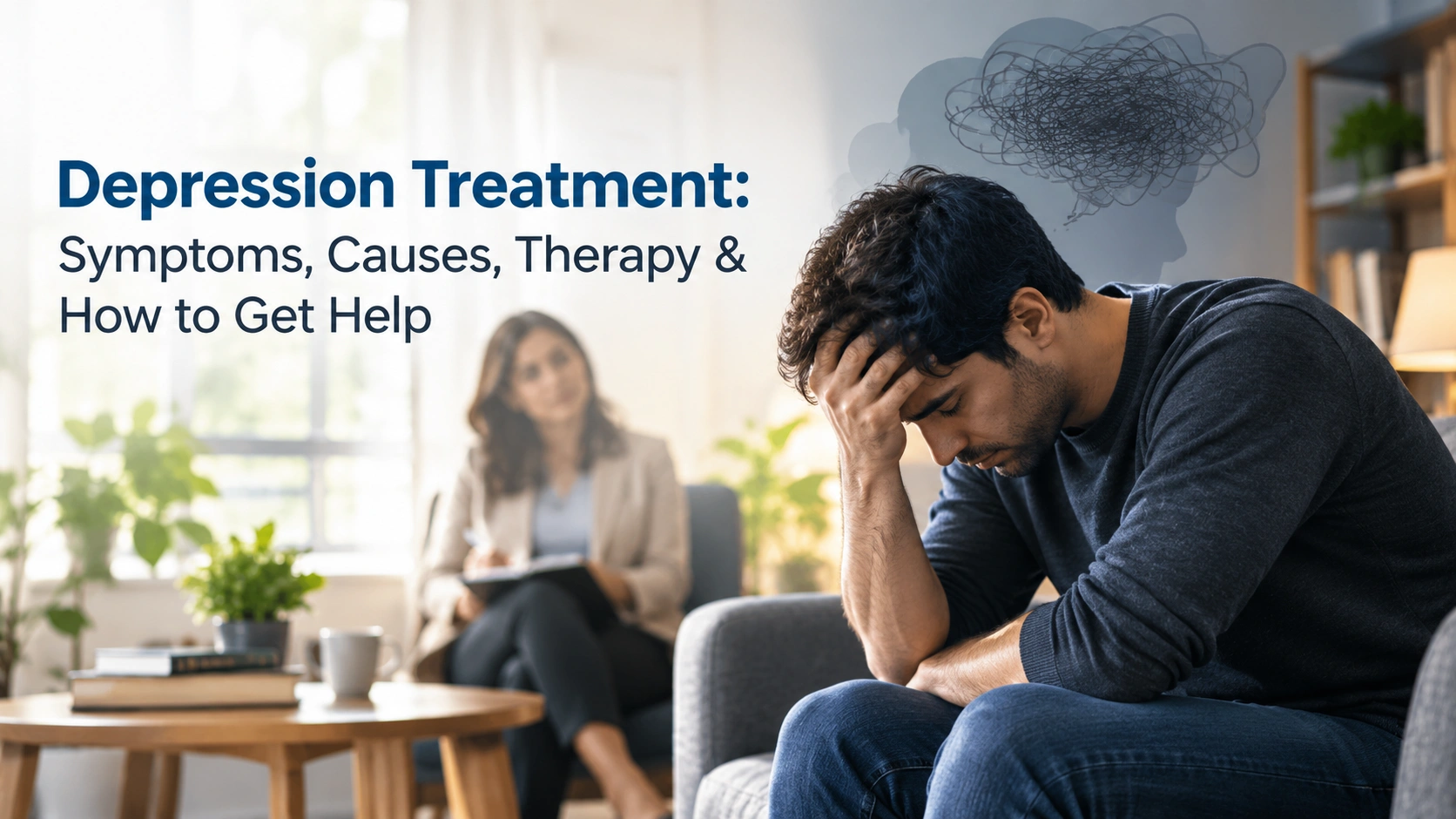
Depression is more than feeling sad for a few days. It can affect the way a person thinks, sleeps, works, studies, interacts with others, and experiences everyday life. Sometimes it develops gradually, making it difficult to recognize what has changed.
If you are searching for depression treatment, you may be trying to understand whether what you are experiencing is depression, what might be causing it, and whether counseling or therapy can actually help. You may also be wondering whether treatment always involves medication.
The good news is that depression can be addressed in different ways, depending on the person’s symptoms, circumstances, severity, and needs. Professional counseling or psychotherapy can be an important part of treatment, while some people may also benefit from evaluation by a psychiatrist or other qualified healthcare professional.
This guide explains the common symptoms and causes of depression, available treatment approaches, what therapy can involve, and when it may be time to seek professional help.
Table of Contents
- What Is Depression?
- Common Symptoms of Depression
- What Causes Depression?
- Depression vs. Feeling Sad
- How Does Depression Affect Everyday Life?
- What Are the Main Depression Treatment Options?
- How Can Therapy Help With Depression?
- Can Depression Be Treated Without Medication?
- Can Online Depression Counseling Help?
- When Should You Seek Professional Help?
- What Happens During a Depression Counseling Session?
- Frequently Asked Questions
- Final Thoughts
What Is Depression?
Depression is a mental health condition that can affect mood, thoughts, motivation, behavior, and daily functioning.
It does not always look like constant sadness. Some people mainly notice a loss of interest in things they previously enjoyed. Others feel emotionally numb, exhausted, irritable, hopeless, or disconnected from people around them.
A person experiencing depression may continue going to work or college and appear fine to others while privately struggling to get through the day.
This is one reason depression can sometimes go unnoticed. Someone may think, “I’m still functioning, so perhaps I don’t really need help.” But difficulty functioning does not have to reach an extreme level before seeking support becomes reasonable.
Common Symptoms of Depression
Depression can affect people differently, and having one symptom does not automatically mean someone has depression.
Common experiences can include:
- Persistent sadness or low mood
- Losing interest in activities that once felt enjoyable
- Feeling tired or lacking energy
- Sleeping much more or much less than usual
- Changes in appetite or eating patterns
- Difficulty concentrating
- Feeling worthless, guilty, or like a burden
- Low motivation
- Irritability or frustration
- Withdrawing from friends or family
- Feeling emotionally numb
- Difficulty making even simple decisions
- Feeling hopeless about the future
Sometimes the first sign is not an obvious emotional change. A person may initially complain about exhaustion, poor sleep, lack of motivation, or difficulty concentrating.
The pattern, duration, intensity, and effect on daily life matter when determining whether professional assessment may be appropriate.
What Causes Depression?
There is rarely one simple explanation for depression.
It can develop through a combination of psychological, biological, social, and environmental factors. For one person, prolonged stress may play a major role. For another, depression may develop following a significant loss, relationship difficulty, health problem, or major life change.
Some factors that can contribute to depressive symptoms include:
- Prolonged Stress: Long periods of emotional or work-related stress can leave a person feeling mentally and physically exhausted.
- Difficult Life Experiences: Bereavement, relationship breakdowns, financial difficulties, academic pressure, workplace problems, isolation, or major transitions can affect emotional wellbeing.
- Psychological Patterns: Persistent self-criticism, hopeless thinking, excessive guilt, or negative beliefs about oneself can sometimes contribute to or maintain depressive symptoms.
- Physical or Medical Factors: Some medical conditions, hormonal changes, sleep problems, and other health-related factors can affect mood. This is one reason it is important not to assume that every low mood is purely psychological.
- Family and Personal History: A person’s previous experiences and family history may also influence their vulnerability to depression.
Importantly, experiencing a difficult event does not mean someone will necessarily develop depression. People respond to similar circumstances in very different ways.
Depression vs. Feeling Sad
Everyone experiences sadness.
You might feel low after an argument, disappointed after a setback, or upset following a loss. These emotional reactions are normal parts of life.
Depression can be different because the low mood or loss of interest may persist and begin affecting multiple areas of life.
For example, someone may stop enjoying hobbies, avoid friends, struggle to work, sleep poorly, and feel persistently hopeless rather than simply feeling sad about one particular event.
There is no need to diagnose yourself based on an online checklist. If you are unsure whether what you are experiencing is ordinary sadness, burnout, grief, or something that needs professional attention, discussing it with a qualified mental health professional can provide clarity.
How Does Depression Affect Everyday Life?
Depression can gradually change a person’s routine.
A person who previously enjoyed meeting friends may start cancelling plans. Someone who normally handles work easily may struggle to concentrate on simple tasks. Even getting out of bed, preparing food, responding to messages, or taking care of routine responsibilities can feel unusually difficult.
Relationships can also be affected. When someone feels emotionally exhausted, they may not have the energy to communicate or explain what is happening. Their family or partner may interpret withdrawal as disinterest when the person is actually struggling internally.
Depression can also create a difficult cycle: Low mood → reduced activity → isolation → less positive experiences → lower motivation → deeper low mood.
Breaking this cycle is often one part of psychological treatment.
What Are the Main Depression Treatment Options?
There is no single treatment that is right for everyone.
A professional may consider the nature and severity of symptoms, how long they have been present, the person’s circumstances, previous treatment, and other relevant factors.
Counseling and Psychotherapy
Talking with a mental health professional can provide a structured environment to explore thoughts, emotions, behaviors, relationships, and life circumstances.
Therapy may help a person identify patterns that are contributing to distress and develop healthier ways of responding.
Cognitive Behavioral Therapy
Cognitive Behavioral Therapy, or CBT, is one commonly used psychological approach for depression.
It focuses on connections between thoughts, feelings, and behaviors. For example, someone experiencing depression may repeatedly think, “I’m not good at anything,” and gradually stop trying activities that could provide a sense of achievement.
Therapy can help examine these patterns and work toward more balanced thinking and constructive behavior.
Psychiatric Evaluation and Medication
For some people, particularly when symptoms are significant, a psychiatric evaluation may be appropriate.
Medication may be recommended in certain situations. However, medication decisions should always be made with a qualified medical professional.
Lifestyle and Daily Routine
Lifestyle changes can support recovery, although they should not be presented as a replacement for professional treatment when treatment is needed.
Depending on the person, helpful areas may include maintaining a regular sleep schedule, staying physically active, eating regularly, maintaining social contact, and creating manageable daily routines.
When depression is affecting motivation, even small steps can feel difficult. The goal is often consistency rather than trying to completely change your lifestyle overnight.

How Can Therapy Help With Depression?
Therapy is not simply about talking about problems for an hour.
A useful counseling process may involve identifying what is happening, understanding patterns, setting realistic goals, and developing practical strategies.
For example, someone may come to therapy because they feel “lazy.” During counseling, it may become clear that the person has been dealing with low mood, self-criticism, poor sleep, withdrawal, and loss of motivation.
Changing the label from “I’m lazy” to “I’m struggling and need support” can be an important starting point.
Therapy may also address negative self-talk, low motivation, social withdrawal, relationship difficulties, stress, overthinking, sleep problems, feelings of guilt or worthlessness, difficulty managing emotions, and major life changes.
Progress does not always happen in a straight line. Some days may feel better than others, and treatment plans may need to change as a person’s needs become clearer.
Can Depression Be Treated Without Medication?
Some people may benefit from psychotherapy or counseling without medication, while others may need a combination of psychological and medical support. The answer depends on the individual’s situation.
If someone has been experiencing persistent depressive symptoms, it is better to discuss treatment options with a qualified professional rather than deciding beforehand that they must or must not take medication.
Therapy can be especially useful for understanding thought patterns, emotional difficulties, relationships, behaviors, and life circumstances that may be contributing to distress.
If medication is already part of someone’s treatment, they should discuss any concerns or changes with their prescribing healthcare professional.
Can Online Depression Counseling Help?
Online counseling can be a convenient option for people who prefer to receive mental health support remotely.
A person can attend a session from a private location without needing to travel to a physical clinic. This may be particularly helpful for someone who has a busy schedule, prefers the privacy of home, or finds it difficult to attend appointments in person.
Online counseling can provide space to discuss concerns such as persistent low mood, loss of motivation, overthinking, stress, relationship difficulties, emotional exhaustion, sleep problems, and difficulty coping with life changes.
However, online counseling is not appropriate for every situation. If someone is experiencing an immediate safety crisis or requires urgent medical attention, they should seek appropriate emergency or in-person professional support.
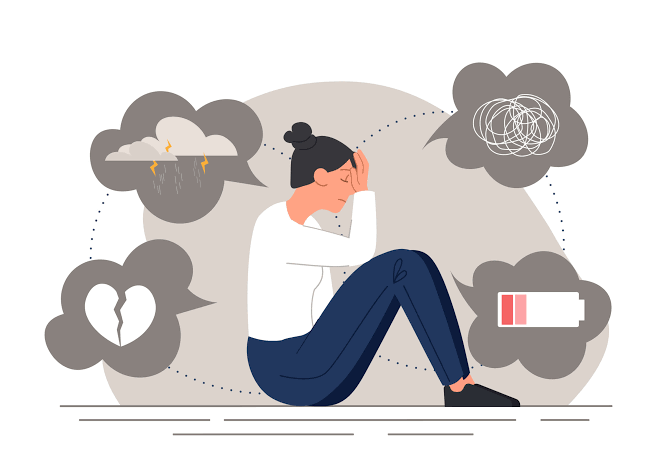
When Should You Seek Professional Help?
You do not need to wait until you feel completely overwhelmed before asking for help.
Professional support may be worth considering when low mood or related symptoms are persistent, becoming difficult to manage, or interfering with important areas of life.
Consider reaching out if you notice that:
- You have lost interest in things you previously enjoyed.
- Your sleep or eating patterns have changed significantly.
- You feel exhausted most of the time.
- Concentrating has become unusually difficult.
- You are withdrawing from people close to you.
- Work, studies, or responsibilities are being affected.
- You frequently feel hopeless or worthless.
- You are struggling to manage your emotions on your own.
- Your symptoms are getting worse rather than improving.
What Happens During a Depression Counseling Session?
Starting counseling can feel uncomfortable, especially if you have never spoken openly about your emotional health.
You do not need to know exactly what to say. You can simply explain what has been happening recently and what concerns you most.
A first session may explore your mood, sleep, daily routine, relationships, stress, thoughts, motivation, and the situations that seem to make things better or worse. You can also talk about what you hope will change.
For example:
- “I don’t feel like myself anymore.”
- “I have stopped enjoying things.”
- “I am tired all the time and don’t know why.”
- “I keep withdrawing from everyone.”
These are perfectly reasonable places to begin a conversation. A counselor’s role is not to judge you for what you are experiencing. The goal is to understand your concerns and determine what kind of support may be useful.