
Depression and Anxiety: Understanding the Connection
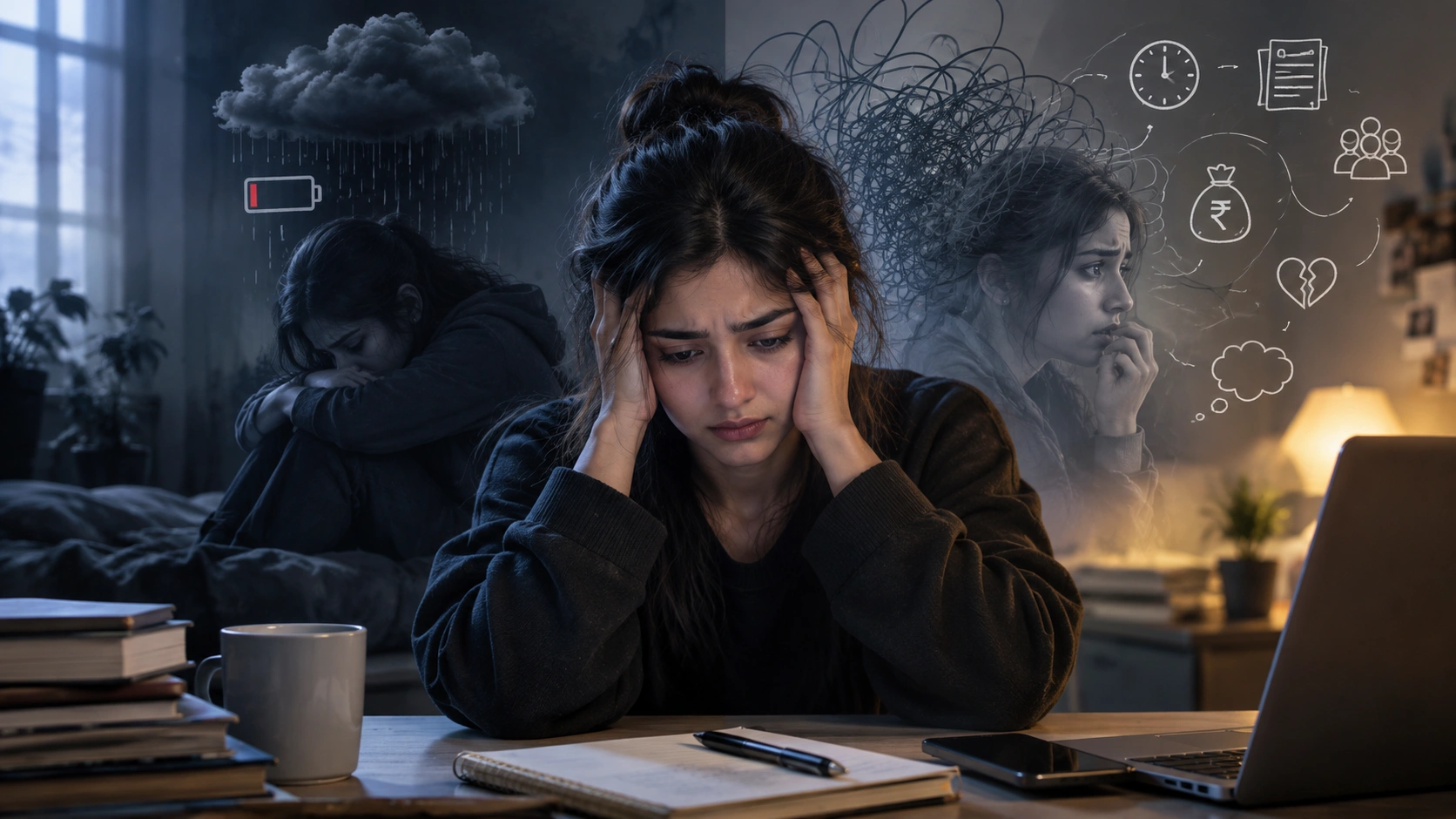
Depression and anxiety are two different mental health conditions, but they can often occur together. A person experiencing depression may also feel worried, restless, or fearful, while someone dealing with anxiety may eventually feel emotionally exhausted, hopeless, or disconnected from things they once enjoyed.
When both conditions appear at the same time, everyday life can become more difficult. Thoughts may feel overwhelming, motivation may decrease, sleep can become disturbed, and even simple responsibilities may start feeling harder than usual.
Understanding the connection between depression and anxiety can help you recognize what may be happening and understand when professional support could be useful.
Table of Contents
- What Is the Connection Between Depression and Anxiety?
- How Does Anxiety Affect Depression?
- How Does Depression Affect Anxiety?
- Common Symptoms of Depression and Anxiety Together
- Why Do Depression and Anxiety Occur Together?
- Depression and Anxiety at Night
- Depression, Anxiety and Overthinking
- How Can Depression and Anxiety Be Managed?
- When Should You Seek Professional Help?
- What Can You Expect From Counseling?
- FAQs
- Final Thoughts
What Is the Connection Between Depression and Anxiety?
Depression and anxiety are different experiences, but they can overlap in many ways.
Depression is often associated with persistent low mood, loss of interest, low motivation, tiredness, feelings of worthlessness, and difficulty enjoying everyday activities.
Anxiety, on the other hand, commonly involves excessive worry, fear, nervousness, restlessness, or feeling that something may go wrong.
When they occur together, a person may feel caught between worrying about the future and feeling discouraged about the present or past.
For example, someone might spend hours worrying about their career, relationships, health, or finances. At the same time, they may feel tired, hopeless, unmotivated, or unable to enjoy activities they previously liked.
This combination can create a difficult emotional cycle.
How Does Anxiety Affect Depression?
Constant anxiety can become mentally exhausting.
When someone spends a lot of time worrying, anticipating problems, or feeling on edge, it can become difficult to relax. Over time, this emotional exhaustion may contribute to low mood and reduced motivation.
Anxiety can also lead to avoidance.
A person may avoid social situations, important conversations, work responsibilities, travel, or other activities because they are afraid of what might happen. Avoidance may provide temporary relief, but it can also make life feel smaller and more restricted.
This can contribute to feelings of loneliness, frustration, or sadness.
How Does Depression Affect Anxiety?
Depression can also make anxiety feel stronger.
When someone is already experiencing low energy or reduced confidence, everyday problems may feel harder to manage. Small challenges can seem overwhelming, and negative thoughts may become more frequent.
For example, a person experiencing depression might think:
- “I won’t be able to handle this.”
- “What if everything goes wrong?”
- “I’m not good enough.”
- “There is no point in trying.”
- “What will happen to me in the future?”
These thoughts can increase worry and uncertainty, which may further increase anxiety.
Common Symptoms of Depression and Anxiety Together
When depression and anxiety occur together, symptoms can vary from person to person.
Some common experiences include:
1. Persistent Worry
You may find yourself worrying repeatedly about the future, relationships, work, health, or everyday responsibilities.
2. Low Mood
You may feel sad, empty, discouraged, or emotionally drained for much of the time.
3. Loss of Interest
Activities that once felt enjoyable may no longer feel interesting or rewarding.
4. Overthinking
You may repeatedly analyze conversations, mistakes, decisions, or possible future situations.
5. Sleep Problems
Anxiety may make it difficult to switch off your thoughts, while depression can also affect sleeping patterns.
6. Low Energy
Even ordinary tasks can feel exhausting when emotional distress continues for a long period.
7. Difficulty Concentrating
Constant worrying and low mood can make it harder to focus on work, studies, conversations, or other responsibilities.
8. Irritability or Restlessness
Some people may become more easily irritated, restless, or emotionally overwhelmed.
9. Social Withdrawal
You may stop responding to messages, avoid meeting people, or prefer staying alone.
10. Feelings of Guilt or Worthlessness
Depression can involve harsh self-criticism, while anxiety may increase fear of making mistakes or disappointing others.
Having some of these experiences does not automatically mean that someone has a mental health disorder. A qualified professional can help understand the symptoms in their proper context.
Why Do Depression and Anxiety Occur Together?
There is no single reason why depression and anxiety occur together.
Different factors can contribute, including prolonged stress, difficult life experiences, relationship problems, work or academic pressure, ongoing health concerns, sleep difficulties, and individual psychological or biological factors.
Sometimes anxiety develops first and is followed by emotional exhaustion or low mood.
In other situations, depression may develop first and be accompanied by increasing worry about the future.
There can also be situations where both develop around the same period.
The important point is that experiencing both does not mean that you have failed to cope. Mental health difficulties can affect anyone, and seeking appropriate support can be an important step.
Depression and Anxiety at Night
Nighttime can be particularly difficult for someone experiencing both depression and anxiety.
During the day, work, studies, family responsibilities, and other activities can keep the mind occupied. When things become quiet at night, worries and negative thoughts may become more noticeable.
You might start thinking about things that happened during the day, mistakes you made, problems in your relationships, financial or career concerns, what might happen tomorrow, or whether things will improve.
This can create a cycle where anxiety makes it difficult to sleep, and poor sleep leaves you feeling more emotionally exhausted the next day.
If nighttime anxiety and low mood continue regularly, discussing them with a mental health professional may be helpful.

Depression, Anxiety and Overthinking
Overthinking can become an important part of the experience when depression and anxiety occur together.
Anxiety may push you to repeatedly ask: “What if something goes wrong?”
Depression may push you toward thoughts such as: “Even if I try, nothing will change.”
When these patterns combine, the mind can become stuck in repetitive thinking.
You may repeatedly revisit past mistakes, imagine negative future situations, compare yourself with others, or question your decisions.
The goal is not necessarily to stop every thought. Instead, counseling can help you understand these thinking patterns and develop healthier ways of responding to them.
How Can Depression and Anxiety Be Managed?
Treatment and support depend on the individual’s symptoms and circumstances. There is no single approach that works for everyone.
Counseling and Psychotherapy
Talking with a qualified mental health professional can provide a structured space to understand emotional difficulties, thoughts, behaviors, and patterns that may be maintaining distress.
Cognitive Behavioral Therapy
CBT is one commonly used therapeutic approach for anxiety and depression. It focuses on understanding the connection between thoughts, feelings, and behaviors and developing more helpful ways of responding.
Stress Management
Learning how to manage ongoing stress can be useful when stress is contributing to anxiety or low mood.
Improving Daily Routines
Consistent sleep, regular physical activity, nutritious meals, social connection, and reasonable daily structure can support overall mental wellbeing. These habits are not a replacement for professional treatment when symptoms are significant, but they can complement appropriate care.
When Should You Seek Professional Help?
Consider speaking with a mental health professional if depression or anxiety continues for an extended period, interferes with work, studies, relationships, or daily responsibilities, makes it difficult to sleep or maintain a normal routine, causes persistent overthinking or worry, leads you to avoid important activities, makes you feel increasingly isolated, is becoming difficult to manage on your own, or is significantly affecting your quality of life.
You do not need to wait until symptoms become severe before asking for support.
What Can You Expect From Counseling?
The first counseling session is generally an opportunity to understand what you have been experiencing.
A mental health professional may ask about your current concerns, emotional patterns, daily routine, relationships, sleep, and how your symptoms are affecting your life. You can also discuss what you hope to achieve through counseling.
Depending on your situation, future sessions may focus on understanding thought patterns, managing anxiety, improving emotional regulation, addressing depressive symptoms, developing coping strategies, and working toward practical changes.
Progress is different for every person, and counseling is not about pretending that difficult emotions do not exist. It is about learning healthier ways to understand and respond to them.

FAQs
Can depression and anxiety happen at the same time?
Which is worse, depression or anxiety?
Can anxiety lead to depression?
Can depression cause anxiety?
Can counseling help with depression and anxiety?
Can depression and anxiety be treated without medication?
Is online counseling useful for depression and anxiety?
Explore Related Mental Health Topics
Explore Online Depression Treatment Across Cities
Connect with confidential, professional mental health counseling and therapy tailored for your city, available from the comfort of your home.
Bhopal
Professional counseling & online therapy support in Bhopal.
Bengaluru
Expert online mental health care tailored for Bengaluru.
Delhi
Confidential depression treatment and counseling in Delhi.
Mumbai
Specialized therapy and online support across Mumbai.
Pune
Professional depression counseling and online guidance in Pune.
Hyderabad
Accessible online depression therapy and support in Hyderabad.
Noida
Dedicated online mental health and counseling for Noida.
Gurugram
Professional depression therapy and counseling in Gurugram.