
Mumbai is a city that never stops moving. From the high-stakes corporate environment of Bandra-Kurla Complex (BKC) to the bustling media houses of Andheri and the fast-paced financial districts of South Mumbai, life here moves at an electric, demanding pace.
Living in such a high-intensity metropolis means that your mind and body are constantly absorbing sensory stimulation—from traffic congestion and local train crowds to relentless professional deadlines. For many Mumbaikars, this sustained baseline of stress doesn’t just manifest as mental fatigue; it often targets physical health, turning normal bodily sensations into sources of profound terror.
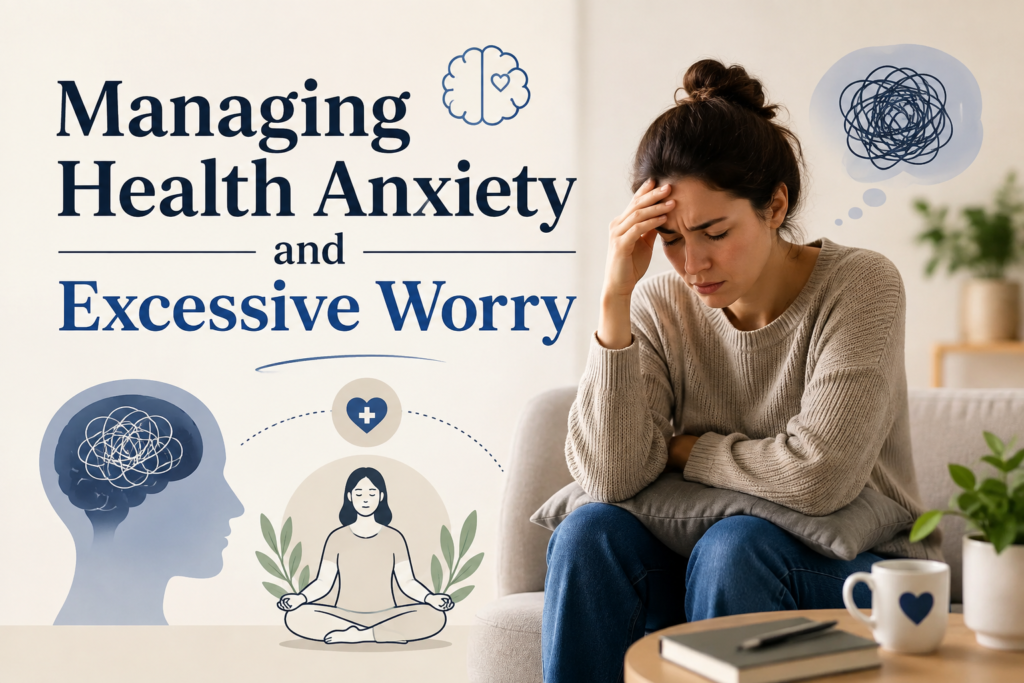
If you find yourself constantly checking your pulse, examining every minor ache, endlessly searching online medical forums for scary diagnoses, or worrying that every physical symptom points to a life-threatening illness, you may be experiencing Health Anxiety (Clinically known as Illness Anxiety Disorder).
Finding a compassionate and professional mental health counselor in Mumbai can help you step off this exhausting physical and mental roller coaster.
What is Health Anxiety (Illness Anxiety Disorder)?
Health anxiety involves an obsessive, persistent preoccupation with having or acquiring a serious medical condition. Unlike normal health concerns which prompt you to consult a doctor, follow advice, and move on health anxiety is characterized by a loop of intense doubt and catastrophic thinking.
Even when medical tests, blood work, and comprehensive evaluations by doctors in Mumbai come back completely normal, the relief is short-lived. Within days or hours, a new symptom appears—a minor headache, a muscle twitch, or a slight chest tightness and the cycle of panic begins all over again.
Key Symptoms of Health Anxiety
Health anxiety impacts your daily life across emotional, physical, and behavioral dimensions:
1. Emotional Symptoms
- Constant Fear of Death or Disease: An overwhelming, lingering dread that you or a loved one is harboring an undiagnosed, fatal illness.
- Intense Vulnerability: Feeling like your body is fragile, unpredictable, and constantly failing you.
- Guilt and Frustration: Feeling frustrated with yourself for worrying so much, yet feeling utterly unable to stop the spiral.
- Anticipatory Dread: Feeling anxious before routine medical check-ups or doctor appointments, fearing the worst-case news.
2. Physical Symptoms (Anxiety-Induced)
- Somatic Manifestations: Stress naturally causes physical sensations. Anxiety creates real muscle tightness, rapid heart rates, dizziness, and digestive cramps, which your brain then misinterprets as signs of disease.
- Heightened Bodily Vigilance: Tuning into every heartbeat, breath, and swallow, which magnifies harmless biological sensations into major alarms.
- Exhaustion: The physical toll of running a constant “fight or flight” response leaves you feeling utterly depleted.
3. Behavioral Symptoms
- Excessive Body Checking: Constantly palpating lymph nodes, checking blood pressure, measuring heart rates, or examining skin moles.
- Cyberchondria (Online Searching): Spending hours scrolling through medical blogs, forums, and symptom checkers, hunting for worst-case explanations.
- Doctor Hopping: Seeking opinions from multiple specialists across Mumbai, refusing to believe reassurance when doctors say you are healthy.
- Avoidance Behaviors: Avoiding hospitals, medical shows, or conversations about illness out of fear that it will trigger a panic spike.
Why Mumbai’s Urban Environment Intensifies Health Anxiety
Living in Mumbai presents unique environmental and psychological catalysts that can fuel health-related fears:
- High-Density Living and Fast-Paced Stress: The constant exposure to pollution, overcrowded local trains, and fast urban living places your nervous system in a state of chronic high alert.
- The Information Overload: Easy access to medical information online means that a simple internet search for “fatigue” or “headache” instantly pulls up rare, terminal illnesses.
- Isolation in High-Rises: Many young professionals and families living in standalone apartments across suburbs like Powai, Thane, or Andheri spend long hours isolated, giving anxious thoughts room to amplify without immediate grounding from social contact.
Realistic Concern vs. Clinical Health Anxiety
| Metric / Trait | Normal Health Awareness | Clinical Health Anxiety |
| Reaction to Symptoms | Notes symptoms objectively; seeks medical advice rationally. | Panics instantly; jumps to the worst-case fatal conclusion. |
| Response to Doctor Reassurance | Feels relieved and accepts clear medical test results. | Doubts the doctor’s competence; seeks secondary/tertiary opinions continuously. |
| Trigger Frequency | Occasional response to genuine illness or injury. | Daily preoccupation triggered by minor, normal bodily shifts. |
| Impact on Quality of Life | Minimal; normal daily functioning is preserved. | Disrupts work focus, strains relationships, and causes continuous distress. |
Evidence-Based Treatment and Counseling Pathways
Breaking free from health anxiety requires shifting your focus away from physical policing and toward neurological and cognitive retraining. Professional counseling offers structured, compassionate approaches:
- Cognitive Behavioral Therapy (CBT): The gold standard for health anxiety. CBT helps you identify cognitive distortions (like catastrophizing or probability overestimation) and reframe how you interpret bodily sensations.
- Exposure and Response Prevention (ERP): A specialized behavioral technique where you gradually face health-related triggers (like stopping online symptom searches or reducing body checking) without engaging in safety behaviors, helping your brain learn that uncertainty is safe.
- Mindfulness-Based Stress Reduction (MBSR): Teaches you to notice physical sensations with non-judgmental acceptance rather than reactive panic.
- Nervous System Regulation: Incorporating somatic breathing and grounding tools to lower baseline fight-or-flight activation.