
Panic Attack Symptoms: What They Feel Like and When to Seek Help
A panic attack can feel frightening, especially when it happens suddenly and you are not sure what is going on. Your heart may start racing, your breathing may feel uncomfortable, or you may suddenly feel that something terrible is about to happen. Understanding panic attack symptoms can help you recognize what you are experiencing and know when it is appropriate to seek professional support.
What Is a Panic Attack?
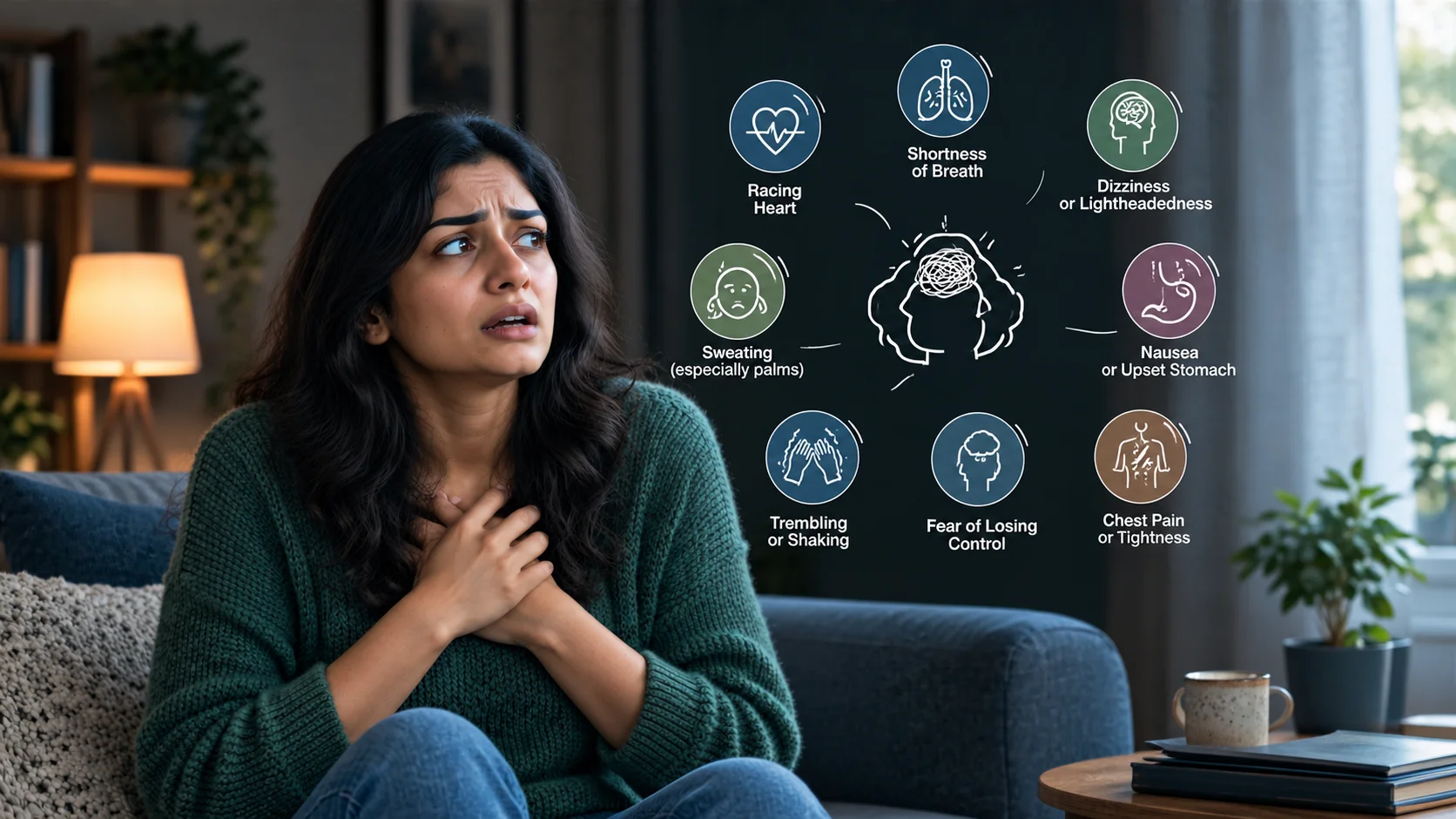
A panic attack is a sudden episode of intense fear or discomfort that can occur even when there is no immediate danger. The symptoms can develop quickly and may feel overwhelming. During an episode, both the body and mind can react strongly. Physical sensations may make the person worry that something is seriously wrong, which can increase the fear and make the symptoms feel even stronger.
Panic attacks can happen once or occasionally, while some people experience them repeatedly.
Common Panic Attack Symptoms
Panic attacks can affect people differently, but common symptoms may include:
- Rapid or pounding heartbeat
- Shortness of breath or feeling unable to breathe normally
- Chest discomfort or tightness
- Sweating, chills, or sudden waves of heat
- Shaking or trembling
- Dizziness, lightheadedness, or feeling unsteady
- Nausea or stomach discomfort
- Tingling or numbness in extremities
- Feeling detached from yourself or your surroundings (depersonalization)
- Feeling a strong sense of danger, fear of losing control, or fear of dying
Not everyone experiences all of these symptoms. The intensity can also vary from one episode to another.
How Do Panic Attack Symptoms Feel?
One of the most difficult parts of a panic attack is how quickly the symptoms can appear. Someone may be sitting at home, travelling, working, or spending time with family when they suddenly notice their heart beating faster. They may then become concerned about the physical sensation:
“Why is my heart beating so fast? What if something is wrong?”
That thought can increase anxiety, which may make the physical sensations feel stronger. This can create a cycle:
Understanding this cycle can make the experience less confusing and help you recognize that adrenaline is magnifying the discomfort.
Breaking Down Physical and Emotional Symptoms
Physical Symptoms
Rapid Heartbeat: A racing or pounding pulse is a direct result of adrenaline circulating blood rapidly.
Breathing Difficulties: Sensation of breathlessness or shallow breathing that causes hyperventilation.
Chest Discomfort: Muscle tightness across the chest wall often mistaken for heart problems.
Dizziness & Tingling: Blood flow shifts toward large muscle groups, leading to lightheadedness or tingling in fingers and face.
Emotional Symptoms
Overwhelming Dread: Sudden sense that an imminent disaster or personal catastrophe is about to occur.
Fear of Losing Control: Feeling as though one might faint, act erratically, or lose mental control.
Depersonalization: Sensation of watching yourself from the outside, or feelings that surroundings are dream-like.
Cognitive Fog: Difficulty focusing, thinking logically, or processing conversations during peak panic.
Can Panic Attacks Happen Without an Obvious Trigger?
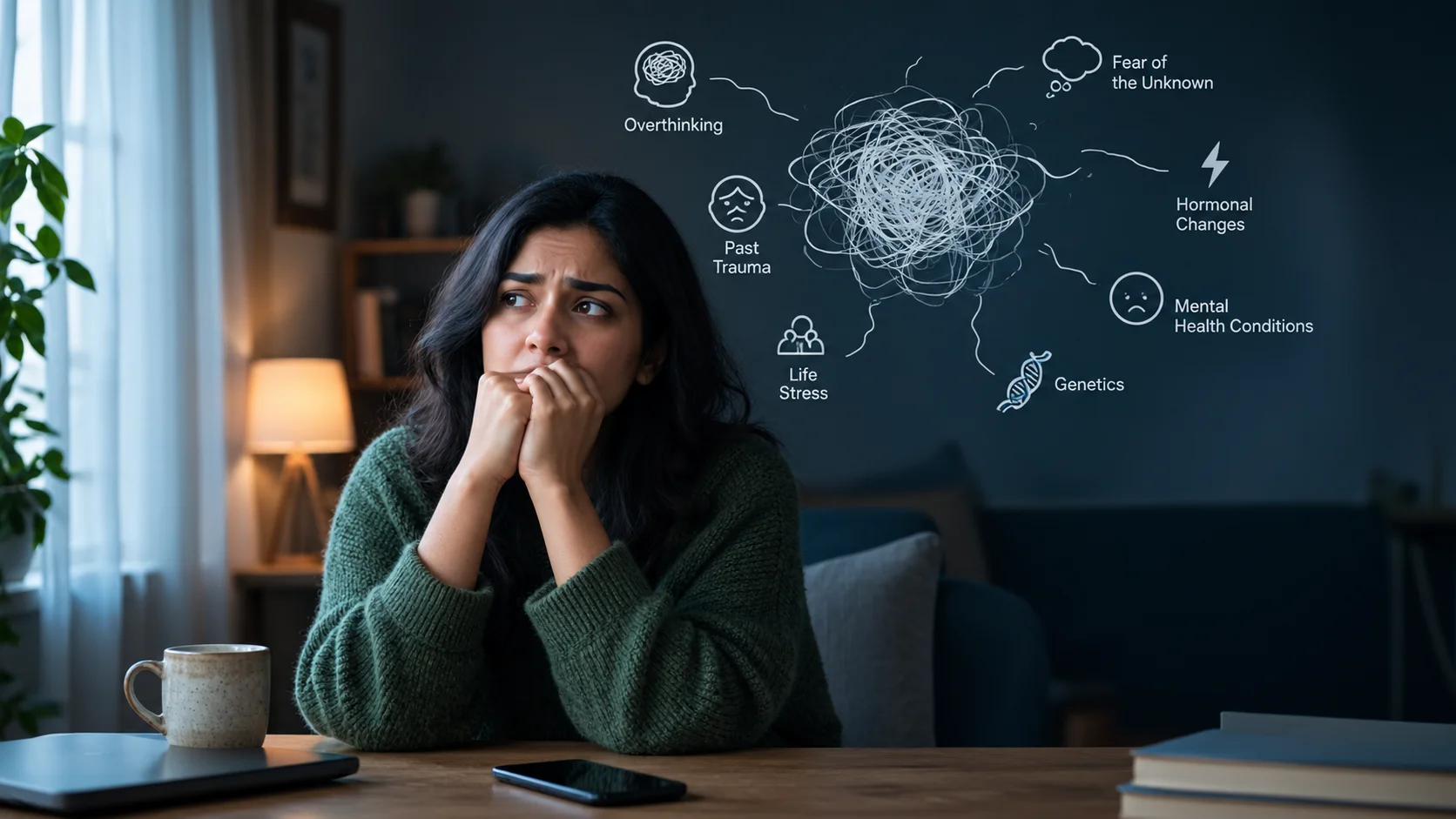
Yes. A panic attack does not always have an obvious trigger. Some episodes happen during stressful situations, while others may seem to occur unexpectedly when you feel completely relaxed. This unpredictability can sometimes make people anxious about having another attack. After experiencing an episode, a person may begin avoiding certain places or situations because they are worried that another panic attack could happen there.
Panic Attack Symptoms vs Everyday Anxiety
Anxiety and panic can share some symptoms, but they are not exactly the same experience:
Everyday Anxiety
Typically builds gradually around a specific life stressor, project, or event. It is persistent, moderate in intensity, and tends to linger over longer periods without reaching an overwhelming peak.
Panic Attack
Characterized by a sudden, intense surge of overwhelming fear. It peaks within 10 minutes and produces severe physical sensations such as pounding heart, breathlessness, and dizziness.
When Should You Seek Professional Help?
Consider speaking with a qualified mental health professional if:
- Panic attacks are happening repeatedly
- You are constantly worried about having another attack
- You are avoiding work, travel, social situations, or other activities because of panic
- Panic symptoms are interfering with your day-to-day life
- You are experiencing persistent anxiety between episodes
- You are finding it difficult to manage the symptoms on your own
Panic symptoms can resemble symptoms of some physical health conditions. Chest pain, severe difficulty breathing, fainting, or other sudden and serious symptoms should not automatically be attributed to panic. If symptoms are severe, unusual, new, or you are concerned that you may be experiencing a medical emergency, seek urgent medical evaluation.
Can Panic Attack Symptoms Be Treated?
Yes. Panic attacks can be addressed with professional treatment and support. Depending on the individual’s situation, treatment may involve psychological therapies such as Cognitive Behavioral Therapy (CBT). A qualified professional can also assess whether other forms of treatment may be appropriate. Learning about panic symptoms, identifying patterns, and developing healthy ways of responding to anxiety can also be part of long-term recovery.
Final Thoughts
Panic attack symptoms can feel intense and frightening, but experiencing these symptoms does not mean you have to manage them alone. Understanding what panic can feel like is an important first step. If panic attacks are becoming frequent, affecting your routine, or causing you to avoid everyday activities, professional assessment can help you regain confidence.
Take Control of Panic and Anxiety
You don’t have to navigate recurring panic alone. A structured, confidential counseling session can help you understand your triggers, stop anticipatory fear, and regain peace of mind.
Chat on WhatsApp to Book Session