
Anxiety Treatment: Symptoms, Causes, Therapy & How to Get Help

Anxiety Counseling- What Happens in a Session
Anxiety Treatment: Symptoms, Causes, Therapy & How to Get Help

Anxiety Counseling What Happens in a Session

Anxiety Counseling: What Happens in a Session? If you often feel worried, restless, overwhelmed, or unable to control your thoughts, you may wonder whether anxiety counseling could help. Many people delay seeking professional support because they don’t know what actually happens during a counseling session. Anxiety counseling is a structured and confidential process where you can talk about your concerns, understand your anxiety patterns, identify possible triggers, and learn healthier ways to manage difficult thoughts and emotions. You do not need to know exactly what is wrong before starting counseling. You can simply explain what you have been experiencing, and the counselor can help you understand your concerns and decide what kind of support may be appropriate. In this guide, we’ll explain what happens during an anxiety counseling session, what you can expect in your first session, how anxiety therapy can help, how online anxiety counseling works, and when professional support may be useful. What Is Anxiety Counseling? Anxiety counseling is a form of psychological support designed to help people understand and manage persistent worry, fear, stress, anxious thoughts, and related emotional difficulties. During counseling, you may explore: What makes you feel anxious When your anxiety usually occurs Thoughts that appear during anxious moments Physical sensations associated with anxiety Situations you tend to avoid How anxiety affects your sleep How anxiety affects work or studies How anxiety affects relationships How you currently cope with stress The purpose isn’t simply to tell you to “stop worrying.” Instead, counseling can help you understand why certain thoughts, emotions, and behaviors keep repeating and develop practical ways of responding to them. What Happens in an Anxiety Counseling Session? Every counseling session is different because everyone’s experiences are different. However, an anxiety counseling session may generally involve several stages. 1. Talking About Your Concerns The first step is usually having an open conversation about what you’ve been experiencing. You may talk about things such as: Constant worrying Overthinking Fear about the future Difficulty relaxing Racing thoughts Sleep problems Feeling restless Panic-like experiences Stress at work or college Relationship-related anxiety Fear of specific situations You don’t need to explain everything perfectly. A good counseling session should give you space to describe your experience in your own words. 2. Understanding Your Anxiety Patterns Once your concerns are understood, counseling may focus on identifying patterns. For example, you may notice: Trigger → Anxious Thought → Emotional/Physical Response → Avoidance → Temporary Relief → Anxiety Returns Understanding this cycle can help explain why anxiety sometimes continues even when you know that your fears may not be realistic. A counselor can help you identify patterns that may be maintaining your anxiety and work with you on healthier responses. 3. Identifying Anxiety Triggers Anxiety can have different triggers for different people. Possible triggers may include: Work pressure Academic stress Relationship difficulties Financial concerns Major life changes Health worries Social situations Fear of failure Uncertainty about the future Previous stressful experiences Sometimes the trigger is obvious. At other times, anxiety can appear without a clear explanation. Counseling can help you explore these patterns without judgment. 4. Understanding Anxious Thoughts One of the important parts of anxiety counseling may involve understanding the thoughts that occur when you feel anxious. For example: “What if something goes wrong?” “What if people judge me?” “What if I can’t handle this?” “What if something bad happens?” These thoughts can feel extremely real when you’re anxious. Therapeutic approaches such as Cognitive Behavioral Therapy (CBT) can help people examine the relationship between thoughts, feelings, and behaviors and develop more balanced ways of responding. 5. Learning Anxiety Management Techniques Anxiety counseling isn’t only about talking. Depending on your needs, counseling may involve learning practical strategies for managing anxiety. These can include: Breathing and relaxation techniques Grounding strategies Mindfulness-based techniques Stress-management skills Identifying unhelpful thinking patterns Healthy emotional coping strategies Improving daily routines Gradually addressing avoidance behaviors The specific techniques used depend on your concerns and treatment approach. 6. Working on Avoidance and Fear Anxiety can sometimes cause people to avoid situations that make them uncomfortable. For example, someone may avoid: Speaking in meetings Travelling alone Going to crowded places Talking to strangers Driving Social gatherings Making important decisions Avoidance may provide temporary relief, but it can sometimes strengthen fear over time. When appropriate, therapy may involve gradually working with feared situations in a structured and manageable way. The goal is not to force someone into an overwhelming situation. Instead, treatment can focus on building confidence and developing healthier responses step by step. What Happens in the First Anxiety Counseling Session? The first session is often focused on understanding your situation. Your counselor may ask about: Your current concerns: What made you seek counseling now? Your symptoms: What are you experiencing emotionally, mentally, or physically? Your daily life: How are anxiety and stress affecting your work, studies, relationships, or routine? Your sleep: Are you having difficulty falling asleep, staying asleep, or relaxing at night? Your triggers: Are there particular situations that make your anxiety worse? Your goals: What would you like to change or improve through counseling? You may also discuss previous experiences with counseling or treatment if relevant. Do You Have to Tell Everything in the First Session? No. You don’t have to share everything immediately. Counseling is a process, and trust can develop gradually. You can discuss what you feel comfortable discussing and ask questions about the counseling process. If something feels difficult to talk about, you can tell your counselor that as well. Is Anxiety Counseling Confidential? Confidentiality is an important part of professional counseling. A person should generally be able to discuss personal concerns in a private and respectful environment. However, confidentiality can have specific professional and legal limits depending on the situation and applicable rules. Your counselor should explain their confidentiality practices and any relevant limitations. If privacy is one of your concerns, you can ask about confidentiality before beginning counseling. Can Anxiety Counseling Be Done Online? Yes. Online anxiety counseling allows you to speak

How Does Anxiety Treatment Work_ Therapy, Counseling, Recovery & What to Expect
Anxiety Treatment: Symptoms, Causes, Therapy & How to Get Help, Blog

How Does Anxiety Treatment Work?

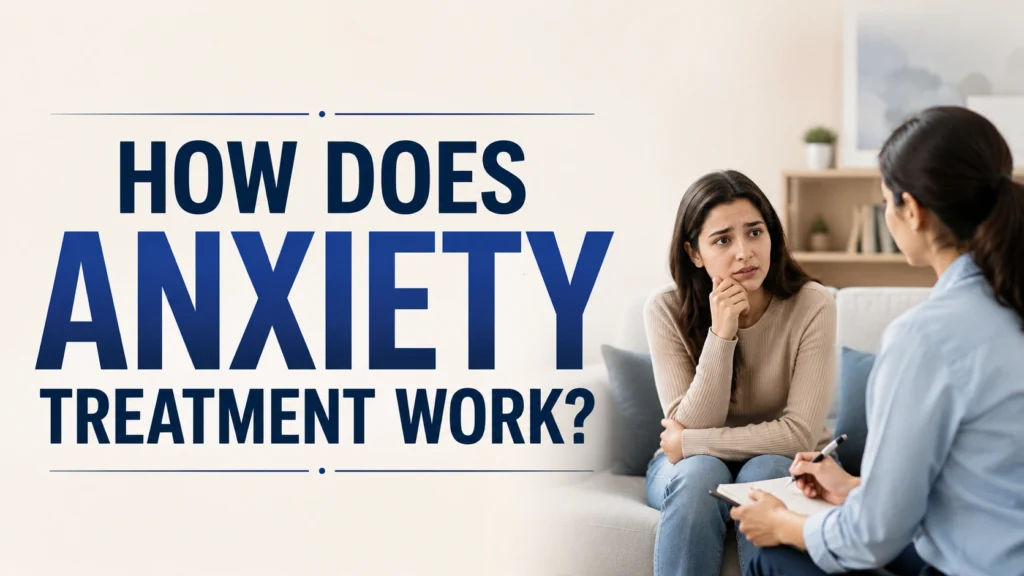
How Does Anxiety Treatment Work? Therapy, Counseling, Recovery & What to Expect Anxiety treatment can help you understand what is causing your anxiety, manage overwhelming thoughts and physical symptoms, and gradually regain control of your daily life. Treatment may involve counseling or psychotherapy, lifestyle changes, coping strategies, and in some cases, medication recommended by a qualified medical professional. If anxiety is affecting your sleep, relationships, work, studies, or ability to enjoy everyday life, speaking with a mental health professional can be an important first step. In this guide, we’ll explain how anxiety treatment works, what happens during anxiety counseling, how therapy can help, how long treatment may take, and when you should consider professional support. What Is Anxiety? Anxiety is the body’s natural response to stress, uncertainty, or perceived danger. Feeling nervous before an examination, interview, important meeting, or major life event can be completely normal. However, anxiety can become a concern when excessive fear or worry: happens frequently feels difficult to control continues even when there is no immediate danger interferes with sleep affects work or studies creates problems in relationships causes avoidance of everyday situations produces persistent physical symptoms Everyone experiences anxiety differently. For some people, it may mainly appear as constant worrying. For others, it can involve racing thoughts, restlessness, panic-like symptoms, difficulty sleeping, or physical discomfort. How Does Anxiety Treatment Work? Anxiety treatment generally works by helping a person understand their anxiety, identify patterns that maintain it, develop healthier coping skills, and gradually respond differently to anxious thoughts and situations. The exact treatment approach depends on the person’s symptoms, severity, circumstances, and goals. Anxiety treatment may involve: Understanding the source of anxiety Identifying unhelpful thought patterns Learning practical coping strategies Working on avoidance and fear Improving emotional regulation Developing healthier responses to stress Improving sleep and daily routines Building long-term skills for managing anxiety The goal of counseling is generally not to make a person feel that they should “never experience anxiety again.” Instead, treatment can help them respond to anxiety in a healthier and more manageable way. How Does Anxiety Counseling Work? Anxiety counseling provides a safe and confidential environment where you can talk about the thoughts, emotions, situations, and experiences contributing to your anxiety. During counseling, a mental health counselor may help you explore: What situations trigger your anxiety What thoughts occur when you feel anxious How your body responds to stress Whether you avoid certain situations How anxiety affects your relationships How anxiety affects your sleep How you currently cope with stressful situations What changes you would like to make Based on your concerns, counseling can then focus on developing practical strategies to manage anxiety. What Happens in an Anxiety Counseling Session? Your first anxiety counseling session may focus primarily on understanding your concerns. A counselor may ask questions about your: Current symptoms Emotional wellbeing Stress levels Work or academic life Relationships Sleep Recent life changes Previous experiences with anxiety Goals for counseling You don’t have to have everything figured out before your first session. You can simply explain what you’ve been experiencing and what made you decide to seek help. Over subsequent sessions, the focus may shift toward understanding patterns, developing coping strategies, and working toward your individual goals. How Can Anxiety Therapy Help? Different forms of psychotherapy can be used to address anxiety. The approach depends on the person’s specific needs. 1. Cognitive Behavioral Therapy (CBT) Cognitive Behavioral Therapy, commonly called CBT, is one of the commonly used psychological approaches for anxiety. CBT focuses on the relationship between: Thoughts → Feelings → Behaviors For example, a person may think: “Something terrible is going to happen.” This thought may increase fear and physical tension, which can then lead the person to avoid the situation. Therapy can help identify these patterns and develop more balanced ways of thinking and responding. 2. Exposure-Based Approaches When anxiety causes someone to consistently avoid certain situations, therapy may involve gradually facing feared situations in a structured and appropriate way. The goal isn’t to force someone into overwhelming situations. Instead, exposure-based approaches can help a person gradually become more comfortable with situations they previously feared or avoided. 3. Relaxation and Stress-Management Techniques Counseling may also include practical techniques that help manage physical and emotional stress. Depending on the person’s needs, these may include: Relaxation exercises Breathing techniques Mindfulness strategies Grounding techniques Sleep and routine management Stress-management skills These techniques can be useful tools, although they may not be sufficient on their own when anxiety is severe or persistent. Can Anxiety Be Treated Without Medication? In some cases, people with anxiety may benefit from psychological therapy or counseling without medication. However, there is no single treatment that is right for everyone. The appropriate approach depends on factors such as: Severity of symptoms Duration of symptoms Type of anxiety Impact on daily life Other mental health concerns Previous treatment Individual circumstances Medication is prescribed by qualified medical professionals when appropriate. A mental health counselor can help with psychological support and may recommend consultation with a psychiatrist or other medical professional when additional evaluation appears appropriate. Do not start, stop, or change psychiatric medication without speaking with the prescribing medical professional. How Long Does Anxiety Treatment Take? There is no fixed number of counseling sessions that works for everyone. Some people may notice improvements relatively early, while others may need longer-term support. The duration of anxiety treatment can depend on: How long you’ve experienced anxiety The severity of symptoms The type of anxiety Your personal circumstances Your treatment goals How consistently you participate in therapy Other psychological or medical factors Instead of focusing only on the number of sessions, it can be more useful to focus on whether your symptoms and ability to manage everyday situations are gradually improving. Can Anxiety Go Away on Its Own? Mild, temporary anxiety related to a specific stressful situation may improve when the situation changes. However, persistent or worsening anxiety shouldn’t simply be ignored. If anxiety continues for weeks or months, repeatedly interferes with

Anxiety Treatment: Symptoms, Causes, Therapy & How to Get Help

What Causes Anxiety Disorders? | Causes, Triggers & Risk Factors

What Causes Anxiety Disorders? Why does one person stay calm in a stressful situation while another person feels overwhelmed by worry, fear, or physical symptoms? This is one of the most common questions people have when they start experiencing anxiety. The truth is that anxiety disorders usually do not have one single cause. They can develop through a combination of biological, genetic, psychological, environmental, and life-experience factors. For some people, anxiety may become noticeable after a particularly stressful period. For others, there may be a family history of anxiety, difficult past experiences, long-term stress, or a combination of several factors. Understanding the possible causes and risk factors can make anxiety feel less confusing—and can also help you understand when professional support may be useful. What Causes Anxiety Disorders? There is no single answer to what causes anxiety disorders. Research suggests that anxiety can develop through a combination of: Genetics and family history Brain and biological factors Stressful life experiences Trauma and difficult experiences Long-term stress Personality and temperament Physical health conditions Substance or alcohol use Environmental and social factors Unhelpful patterns of thinking and behavior These factors can interact differently from person to person. For example, someone may have a genetic vulnerability to anxiety but never develop an anxiety disorder. Another person may develop significant anxiety after experiencing prolonged stress or a traumatic event. NIMH describes generalized anxiety disorder as potentially resulting from a mix of genetics, brain chemistry, biology, and environment, while WHO similarly describes anxiety disorders as involving complex interactions among social, psychological, and biological factors. 1. Genetics and Family History One question many people ask is: “Does anxiety run in families?” It can. Having close family members with anxiety disorders or other mental-health conditions may increase a person’s vulnerability to developing anxiety. However, having a parent or relative with anxiety does not mean that you will definitely develop an anxiety disorder. Genes are only one part of the picture. Research suggests that common mental-health conditions such as anxiety are influenced by a combination of genetic variation, life experiences, and environmental factors. Think of genetics as one factor that may influence your level of vulnerability rather than a guarantee of what will happen. 2. Brain and Biological Factors Anxiety involves the body’s threat and stress-response systems. When your brain perceives danger—whether the danger is real, possible, or imagined—it can activate physical responses such as increased heart rate, sweating, muscle tension, and changes in breathing. This response can be useful when you actually need to react quickly. The problem is that in anxiety disorders, fear and worry can become excessive, persistent, or difficult to control. Researchers are studying how brain development, brain chemistry, genetics, and biological processes contribute to different anxiety disorders. This is one reason anxiety should not simply be described as a person “thinking too much.” There can be real biological processes involved. 3. Stressful Life Events Stress is one of the most common factors associated with anxiety. Major or ongoing stress can come from many areas of life, including: Work pressure Academic pressure Financial difficulties Relationship problems Family responsibilities Job loss Major life changes Health concerns Uncertainty about the future The NHS lists work pressure, unemployment, relationship difficulties, financial problems, illness, bereavement, and difficult past experiences among possible contributors to anxiety. A stressful situation does not automatically cause an anxiety disorder. However, prolonged or intense stress can increase vulnerability, particularly when combined with other risk factors. 4. Trauma and Difficult Past Experiences Some people develop anxiety after experiencing highly distressing or traumatic events. Examples may include: Abuse Bullying Neglect Domestic violence Serious accidents Loss of someone close Major relationship breakdown Other frightening or overwhelming experiences However, experiencing trauma does not mean that someone will definitely develop an anxiety disorder. People respond to difficult experiences in different ways. 5. Childhood Experiences Early experiences can influence how a person learns to understand safety, relationships, uncertainty, and stressful situations. For some people, growing up in an environment involving chronic conflict, bullying, neglect, abuse, or instability may increase vulnerability to anxiety later in life. At the same time, childhood experiences are only one part of a much larger picture. Supportive relationships, healthy coping skills, social connections, and other protective factors can also influence mental well-being. 6. Long-Term or Chronic Stress Short-term stress is a normal part of life. But what happens when your mind and body remain under pressure for weeks, months, or even longer? You may constantly feel that you need to solve problems, prevent something from going wrong, or stay prepared for the next challenge. Over time, this can contribute to persistent worry, tension, sleep problems, irritability, and difficulty relaxing. 7. Personality and Temperament People differ in how they naturally respond to uncertainty, risk, and stressful situations. Some individuals may be more sensitive to possible threats or more likely to worry about uncertain outcomes. This does not mean that a particular personality “causes” an anxiety disorder. Instead, temperament and individual psychological characteristics can interact with life experiences and environmental factors. 8. Overthinking and Unhelpful Thought Patterns Anxiety is not simply caused by “thinking too much,” but patterns of thinking can contribute to the way anxiety is maintained. For example, an anxious person may frequently think: “What if something goes wrong?” “What if I make a mistake?” “What if everyone judges me?” “What if I can’t handle it?” The mind may repeatedly focus on possible negative outcomes, creating a cycle of worry, fear, and physical symptoms. 9. Fear of Uncertainty Some people find uncertainty particularly difficult. Trying to obtain complete certainty can sometimes lead to repeated checking, reassurance-seeking, or excessive worrying. Learning to tolerate reasonable uncertainty can be an important part of psychological treatment. 10. Sleep Problems Poor sleep and anxiety can influence each other, creating a difficult loop where anxiety causes poor sleep, and fatigue makes anxiety harder to manage. 11. Physical Health Conditions Some physical health problems can produce symptoms that feel similar to anxiety (such as racing heartbeat or dizziness). That is why professional assessment

What Is Anxiety and Why Does It Happen?
Anxiety Treatment: Symptoms, Causes, Therapy & How to Get Help

What Is Anxiety and Why Does It Happen

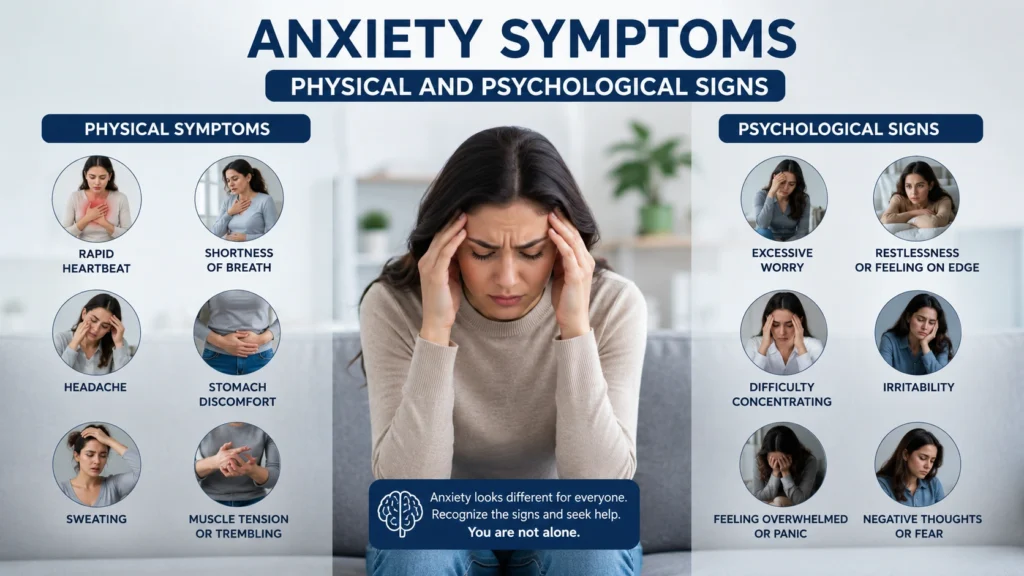
What Is Anxiety and Why Does It Happen? Have you ever felt worried about something even when everything seems fine? Maybe your mind keeps thinking about the future, you imagine the worst possible outcome, or you feel restless without knowing exactly why. Everyone experiences anxiety from time to time. Feeling nervous before an interview, an important exam, a presentation, or a major life decision can be a normal response to stress. But sometimes anxiety becomes more frequent, intense, or difficult to control. It may start affecting your sleep, work, relationships, concentration, or everyday activities. So, what is anxiety, why does it happen, and when should you consider getting professional help? In this article, we’ll explain anxiety in simple language, discuss its common causes and symptoms, look at different types of anxiety, and explain how professional support and online anxiety consultation can help. What Is Anxiety? Anxiety is a natural emotional and physical response to situations that feel stressful, uncertain, threatening, or overwhelming. It is your body’s way of preparing you to deal with a perceived threat. This response can make you more alert and ready to act. For example, you might feel anxious before: A job interview An important exam A public presentation A medical appointment A difficult conversation A major financial decision Moving to a new place In these situations, some level of anxiety can be completely normal. The concern arises when anxiety becomes persistent, excessive, difficult to control, or starts interfering with everyday life. Why Does Anxiety Happen? There is no single reason why someone develops anxiety. Anxiety can be influenced by a combination of psychological, biological, environmental, and lifestyle factors. For some people, anxiety may develop during a particularly stressful period. For others, it may be connected to long-term stress, difficult life experiences, family history, or patterns of thinking and behavior. Let’s look at some common factors. 1. Stress and Everyday Pressure One of the most common factors associated with anxiety is ongoing stress. Work deadlines, academic pressure, financial concerns, relationship difficulties, family responsibilities, and uncertainty about the future can all contribute to feelings of worry. A short period of stress may be manageable. However, when stress continues for a long time without enough recovery or support, anxiety may become harder to manage. You may notice yourself constantly thinking: “What if something goes wrong?” “What will happen in the future?” “Am I making the right decision?” “What if I fail?” “What will people think about me?” When these thoughts become repetitive and difficult to switch off, they can contribute to ongoing anxiety. 2. Difficult or Traumatic Life Experiences Past experiences can sometimes influence how a person responds to stressful situations. Difficult experiences such as loss, relationship problems, bullying, abuse, major life changes, or other distressing events may affect a person’s sense of safety and emotional well-being. This does not mean that everyone who experiences a difficult event will develop an anxiety disorder. People respond to stressful experiences differently, and many factors can influence how someone processes them. 3. Genetics and Family History Anxiety can also be influenced by biological and genetic factors. If anxiety disorders occur in a family, a person may have a greater vulnerability to developing anxiety. However, having a family history does not mean that someone will definitely develop an anxiety disorder. Genetics can be one part of the picture, along with life experiences, environment, stress, personality, and other factors. 4. Overthinking and Unhelpful Thought Patterns Sometimes anxiety is connected to the way we interpret situations. For example, imagine receiving a short message from your manager: “Can we talk tomorrow?” One person might think: “Maybe they just want to discuss a project.” Another person might immediately think: “I must have done something wrong. Maybe I’m going to lose my job.” The situation is the same, but the interpretation is different. When the mind repeatedly focuses on possible negative outcomes, it can increase feelings of worry and fear. This is one reason psychological therapies such as Cognitive Behavioral Therapy (CBT) may focus on identifying and changing unhelpful thought patterns. 5. Lifestyle and Daily Habits Certain lifestyle factors may influence anxiety symptoms. These can include: Poor or irregular sleep High levels of caffeine Lack of physical activity Ongoing stress Poor daily routine Excessive screen time or constant digital stimulation Lifestyle changes alone may not be enough to treat an anxiety disorder, but healthy habits can be an important part of overall mental well-being. 6. Major Life Changes Even positive changes can sometimes create anxiety. Starting a new job, getting married, moving to another city, becoming a parent, changing careers, or entering a new stage of life can involve uncertainty and responsibility. You may be excited about the change while also feeling worried about what comes next. This combination of excitement and uncertainty can sometimes increase anxiety. What Are the Common Symptoms of Anxiety? Anxiety can affect more than just your thoughts. It can influence your body, emotions, concentration, behavior, and sleep. Physical Symptoms Common physical symptoms may include: Increased heart rate Sweating Muscle tension Restlessness Trembling Feeling tired Difficulty sleeping Stomach discomfort Feeling short of breath Feeling dizzy or lightheaded Not everyone experiences the same symptoms. Emotional Symptoms You may experience: Excessive worrying Fear or nervousness Feeling overwhelmed Irritability Difficulty relaxing Feeling constantly “on edge” Fear about the future Difficulty controlling worrying thoughts Behavioral Symptoms Anxiety can also affect the way you behave. For example, you may: Avoid certain situations Avoid social interactions Keep asking others for reassurance Delay important tasks Withdraw from activities you normally enjoy Spend excessive time checking or worrying about things When anxiety begins changing your normal behavior, it may be a sign that professional support could be helpful. Is Anxiety Normal or Is It an Anxiety Disorder? This is an important distinction. Normal anxiety is usually connected to a specific situation and may decrease when the situation passes. For example, feeling nervous before an interview is common. An anxiety disorder, on the other hand, involves anxiety or fear that is

Online anxiety therapy consultation
Anxiety Treatment: Symptoms, Causes, Therapy & How to Get Help

Anxiety Treatment: Symptoms, Causes, Therapy & How to Get Help

Anxiety Treatment: Symptoms, Causes, Therapy & How to Get Help Why do I feel anxious all the time? Are these physical sensations normal anxiety symptoms, or is it something more? Can anxiety be successfully treated online without stepping into a physical clinic? Do I need therapy, medication, or a combination of both? How long does treatment take, and when is the right time to seek professional help? If these questions have been running through your mind, you are not alone. Navigating chronic worry or panic can feel exhausting, but understanding what you are experiencing is the first step toward finding relief. Whether you are connecting from home or your workspace, accessing professional anxiety treatment online has made it simpler than ever to get confidential, structured support from qualified practitioners. What Is Anxiety? At its core, anxiety is your body’s natural alarm system. It is a state of apprehension, tension, or fear about what might happen next. When your brain perceives a potential threat—whether it’s a tight work deadline, a financial concern, or an uncertain future—it triggers a physical response designed to keep you safe. This is often called the “fight-or-flight” response. Normal anxiety is occasional and temporary. It helps you stay alert before an important presentation or an unfamiliar situation. Anxiety disorders, on the other hand, involve persistent, intense, and excessive fear or worry that does not go away, even when there is no immediate danger. When worry starts interfering with your daily routines, sleep, work performance, and relationships, it stops being just everyday stress and begins affecting your quality of life. Fortunately, effective anxiety disorder treatment can help you regain a sense of calm and control. What Are the Symptoms of Anxiety? Anxiety rarely affects just your mind; it ripples through your physical body and shapes your everyday behavior. Recognizing these signs early can help you seek appropriate anxiety symptoms management. Physical Symptoms of Anxiety Rapid or pounding heartbeat Sweating or chills Muscle tension or tightness Restlessness and feeling keyed up Trembling or shaking Chronic fatigue Difficulty falling or staying asleep Stomach discomfort or digestive issues Shortness of breath or a feeling of smothering Emotional Symptoms Constant, excessive worry A generalized sense of fear or dread Overthinking every small detail Irritability and a short temper Feeling emotionally overwhelmed Difficulty concentrating or a blank mind Expecting the worst possible outcome in any situation Behavioral Symptoms Avoiding certain situations, places, or events Avoiding social interactions or isolating yourself Constantly seeking reassurance from loved ones Difficulty making everyday decisions Withdrawing from hobbies and normal activities What Causes Anxiety? People frequently search “why do I have anxiety?” because understanding the root can make the experience feel less frightening. While there is rarely a single cause, anxiety typically develops from a mix of interconnected factors: Stress and Life Pressure High-pressure work environments, academic demands, financial instability, and complex relationship dynamics can gradually overload your nervous system’s capacity to cope. Traumatic or Difficult Experiences Past emotional wounds, difficult childhood environments, or unexpected life-altering events can make the world feel inherently unsafe, keeping your nervous system on high alert. Genetics and Family History Anxiety can sometimes run in families, suggesting that genetic vulnerabilities may play a role in how your brain regulates stress hormones and emotions. Lifestyle Factors Poor sleep habits: Lack of restorative rest impairs emotional regulation. High caffeine intake: Stimulants like coffee or energy drinks can mimic or amplify physical panic sensations. Lack of physical activity: Sedentary habits reduce natural stress-relieving endorphins. Chronic stress: Long-term exposure to pressure without adequate recovery time. Other Mental Health Conditions Anxiety frequently co-occurs alongside other conditions, such as depression, chronic stress, or burnout. Exploring anxiety causes with a professional can help untangle these overlapping layers. What Are the Different Types of Anxiety Disorders? Understanding the specific presentation of your struggles helps shape the right path forward: Generalized Anxiety Disorder (GAD) Involves chronic, excessive, and unrealistic worry about everyday things like health, money, or work, even when there is little reason to expect catastrophe. Panic Disorder Characterized by recurrent, unexpected panic attacks—sudden surges of intense fear accompanied by physical symptoms like chest pain, dizziness, or a feeling of losing control. Social Anxiety Disorder Involves an intense, persistent fear of being watched, judged, or humiliated in social, professional, or public settings. Specific Phobias An excessive and irrational fear of specific objects or situations, such as heights, flying, or specific animals, leading to intense avoidance behavior. Separation Anxiety Disorder Marked by excessive fear or anxiety about separation from people to whom the individual has a deep emotional attachment. Anxiety vs Stress: What’s the Difference? Stress Anxiety Often linked to a specific, identifiable situation or pressure. Can continue even without an obvious, immediate threat or clear cause. May improve or disappear when the stressful situation changes or resolves. Can persist over time, turning into a continuous background hum of worry. Usually connected to an external pressure (deadlines, bills, exams). May involve persistent, free-floating fear or internal dread. Can be a normal, adaptive response to daily challenges. Can become a disorder when symptoms significantly and continuously interfere with life. Note: Only a qualified mental health professional can determine whether symptoms meet the clinical criteria for an anxiety disorder. How Is Anxiety Treated? There is no single treatment that works identically for everyone. Effective anxiety treatment options depend entirely on your unique symptoms, lifestyle, and clinical needs. Treatment may involve psychotherapy, lifestyle modifications, or a combination of approaches. Psychotherapy for Anxiety Engaging in structured anxiety therapy gives you a safe space to explore your inner world with an expert. Therapy focuses on: Understanding anxious thought loops and where they stem from Identifying personal triggers that escalate your distress Developing practical, long-term coping skills Changing unhealthy thinking patterns Gradually changing avoidance behaviors so you can reclaim your routine Cognitive Behavioral Therapy (CBT) CBT for anxiety disorder is one of the most widely researched and effective therapeutic approaches available. At its core, CBT looks at the connection between: Thoughts → Feelings → Behaviours By working

Scroll to Top