
Anxiety and Physical Symptoms: How Anxiety Can Affect Your Body
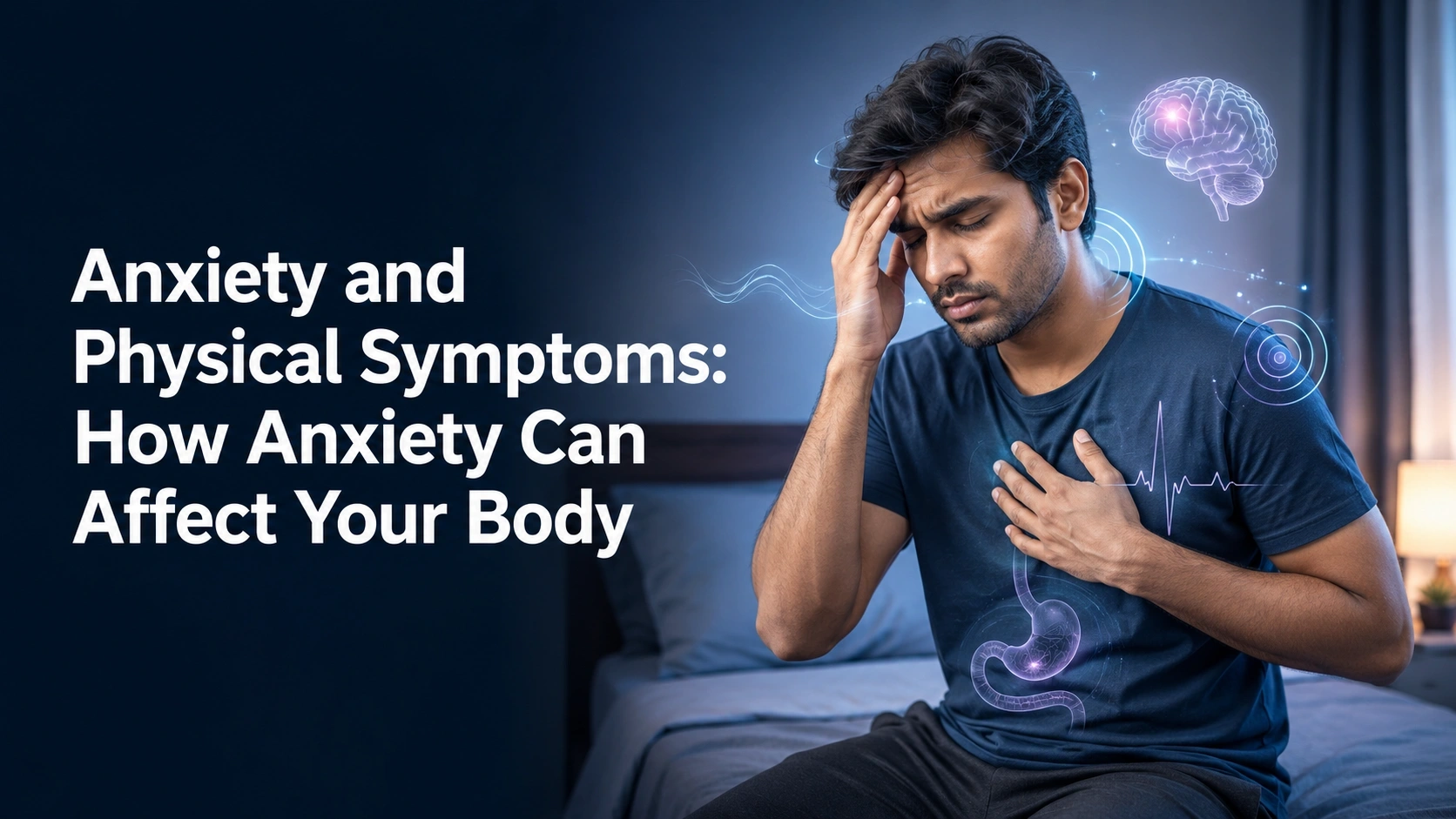
Anxiety is often thought of as something that affects the mind, but it can also create very real physical sensations. When you feel anxious, your body responds to what it perceives as stress or danger. This can lead to symptoms such as a racing heartbeat, sweating, dizziness, muscle tension, stomach problems, headaches, or difficulty breathing.
These symptoms can sometimes feel frightening, especially when you don’t realize that anxiety may be contributing to them. A person may think, “Why is my heart beating so fast?” or “Why do I feel dizzy when nothing is physically wrong?”
Understanding the connection between anxiety and physical symptoms can make these experiences less confusing and may help you decide when professional support could be useful.
What Is the Connection Between Anxiety and Physical Symptoms?
Anxiety activates the body’s natural stress response. This response is designed to help you deal with a perceived threat.
When your brain detects danger—even if the danger is a thought, worry, memory, or imagined situation—it can trigger changes in your body. Your heart may beat faster, your muscles may become tense, your breathing may change, and your digestive system may be affected.
For example, if you are worried about an upcoming event, your body may react as though you need to prepare for immediate danger.
This is why anxiety is not simply “in your head.” Anxiety can involve both emotional and physical responses.
Common Physical Symptoms of Anxiety
Anxiety can affect different parts of the body, and symptoms can vary from person to person.
Some common physical symptoms include:
1. Racing or Pounding Heart
A fast heartbeat or feeling that your heart is pounding can occur during anxiety.
You may suddenly become very aware of your heartbeat and start worrying that something is wrong. That worry can increase anxiety, which may make the sensation feel even stronger.
2. Shortness of Breath or Changes in Breathing
Anxiety can change the way you breathe. Some people may begin breathing faster or feel that they cannot take a satisfying breath.
This sensation can be particularly frightening and may sometimes increase the fear of having a serious physical problem.
3. Chest Tightness
Some people experience pressure, tightness, or discomfort in the chest when they are anxious.
Because chest symptoms can have many possible causes, it is important not to automatically label chest discomfort as anxiety. If the symptom is new, severe, unusual, or concerning, seek medical evaluation.
4. Dizziness or Lightheadedness
Feeling dizzy, lightheaded, unsteady, or disconnected from your surroundings can occur during periods of anxiety.
Changes in breathing, muscle tension, stress hormones, lack of sleep, and other factors can contribute to these sensations.
5. Muscle Tension
Anxiety can cause your muscles to remain tense for long periods.
You may notice tight shoulders, neck pain, jaw tension, back discomfort, muscle aches, or headaches.
If anxiety continues for a long time, you may not even realize how much tension you are carrying in your body.
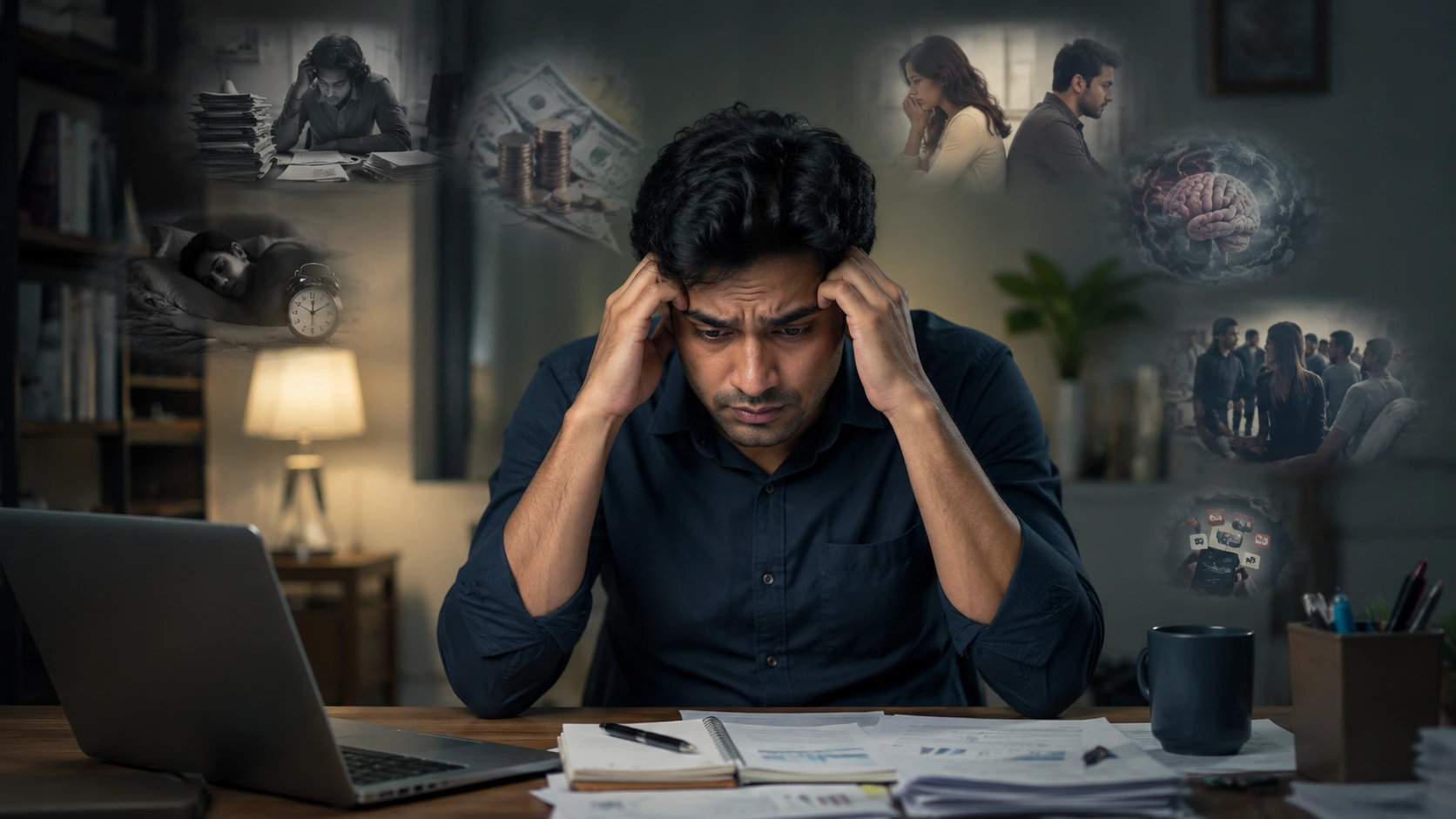
Can Anxiety Cause Stomach Problems?
Yes, anxiety can affect the digestive system.
The brain and digestive system communicate closely with each other. During periods of stress or anxiety, some people experience stomach discomfort, nausea, feeling of butterflies in the stomach, changes in appetite, diarrhea, constipation, bloating, and increased awareness of stomach sensations.
Sometimes a person notices a stomach sensation and becomes worried about it. That worry can increase anxiety, creating a cycle in which stress and physical discomfort reinforce each other.
Can Anxiety Cause Headaches?
Anxiety and prolonged stress may contribute to headaches in some people.
When you are anxious, you may unconsciously tense the muscles around your forehead, neck, shoulders, and jaw. Poor sleep and prolonged mental stress can also contribute to headaches.
If headaches are frequent, severe, suddenly different from usual, or accompanied by concerning symptoms, medical evaluation is important.
Anxiety and Muscle Tension
One of the less obvious physical effects of anxiety is constant muscle tension.
When your mind stays in a state of alertness, your body may remain physically prepared for a possible threat.
You might notice that you clench your jaw, raise your shoulders, tighten your stomach, frown without realizing it, sit rigidly, or experience neck or shoulder stiffness.
Over time, this can contribute to physical discomfort and fatigue.
Can Anxiety Make You Feel Tired?
Yes. Anxiety can be mentally and physically exhausting.
Constant worrying requires mental energy. At the same time, ongoing muscle tension, poor sleep, and a continuously activated stress response can leave you feeling drained.
You may experience low energy, difficulty concentrating, morning tiredness, feeling mentally exhausted, reduced motivation, and irritability.
This can become particularly difficult when anxiety and sleep problems occur together.
Anxiety, Sleep and Physical Symptoms
Anxiety and sleep can influence each other.
You may lie in bed thinking about problems, responsibilities, relationships, health, work, or the future. As your thoughts become more active, your body may also become more alert.
Poor sleep can then make it harder to manage anxiety the following day.
Anxiety → Physical symptoms → Worry about symptoms → More anxiety → Poor sleep → Increased sensitivity to symptoms
Breaking this cycle often requires addressing both the physical sensations and the underlying anxiety.
Why Do Anxiety Symptoms Feel So Real?
A common question is: “If anxiety is causing my symptoms, why do they feel so physical?”
Because the body’s response to anxiety is physical.
Anxiety can influence your heart rate, breathing, muscles, digestion, sleep, and overall level of alertness. The sensations are real even when anxiety is contributing to them.
However, recognizing that anxiety can cause physical symptoms does not mean every physical symptom is anxiety.
This distinction is important.
Health Anxiety Can Make Physical Symptoms Feel Worse
Some people become extremely concerned about normal or anxiety-related body sensations.
For example: You notice your heart beating faster → you worry about your heart → anxiety increases → your heartbeat becomes more noticeable → you become even more frightened.
This can create a cycle of health anxiety and physical symptom monitoring.
Constantly checking your pulse, searching symptoms online, asking others for reassurance, or repeatedly focusing on bodily sensations may temporarily reduce worry but can sometimes keep the anxiety cycle going.
How Can You Manage Anxiety-Related Physical Symptoms?
The right approach depends on the person and the underlying cause. Some general strategies may help manage everyday anxiety.
1. Notice the Anxiety Without Immediately Panicking
When a physical sensation appears, try to pause before assuming the worst.
You can remind yourself: “I’m experiencing a physical sensation, and anxiety may be contributing to it. I don’t have to immediately interpret it as a catastrophe.”
This does not mean ignoring genuine medical symptoms. It means slowing down the automatic fear response.
2. Slow Down Your Breathing
If anxiety is affecting your breathing, gently focus on slowing your breathing rather than taking repeated very deep breaths.
Try to keep the breathing comfortable and relaxed.
3. Relax Your Muscles
Pay attention to your shoulders, jaw, hands, stomach, and neck. Ask yourself: “Am I holding tension here?”
Gently relaxing these areas can help reduce the physical tension associated with stress.
4. Improve Your Sleep Routine
A consistent sleep schedule, a calmer bedtime routine, and reducing stimulating activities before bed may support better sleep.
5. Reduce Constant Symptom Checking
If you repeatedly check your body because you are afraid something is wrong, notice whether the checking is actually making you more anxious.
6. Address the Underlying Anxiety
Physical symptoms may continue if the underlying worry, stress, panic, or overthinking is not addressed.
This is where counseling or anxiety therapy can become useful.

When Should You Seek Professional Help for Anxiety?
Consider speaking with a mental health professional if anxiety happens frequently, interferes with work or studies, affects your relationships, makes it difficult to sleep, causes frequent panic or fear, leads to constant overthinking, makes you avoid normal activities, causes ongoing distress about physical symptoms, or is difficult to manage on your own.
A mental health professional can help you understand your anxiety patterns and healthier ways to respond to them.
At the same time, physical symptoms should be medically evaluated when appropriate rather than automatically attributed to anxiety.
How Can Anxiety Counseling Help?
Anxiety counseling can help you understand the connection between your thoughts, emotions, behaviors, and physical reactions.
During counseling, you may explore what triggers your anxiety, why certain physical sensations frighten you, patterns of overthinking, health-related worries, stress and lifestyle factors, sleep difficulties, panic symptoms, and coping strategies.
Therapy approaches such as cognitive behavioral therapy (CBT) may be used depending on your individual needs and professional assessment.
The goal isn’t simply to make every anxious sensation disappear. It is to help you understand your anxiety and develop healthier ways to respond when symptoms occur.
Online Anxiety Counseling
For people who prefer support from home, online anxiety counseling can be a convenient option.
Online sessions can allow you to speak with a mental health professional through a private video or online consultation without needing to travel to a clinic.
This may be particularly helpful if anxiety itself makes traveling, waiting in unfamiliar environments, or attending appointments difficult.
If you are experiencing anxiety, overthinking, panic symptoms, sleep difficulties, or stress-related physical sensations, professional counseling can help you explore what may be contributing to these difficulties.
Online Anxiety Counseling With Vaibhav Mishra
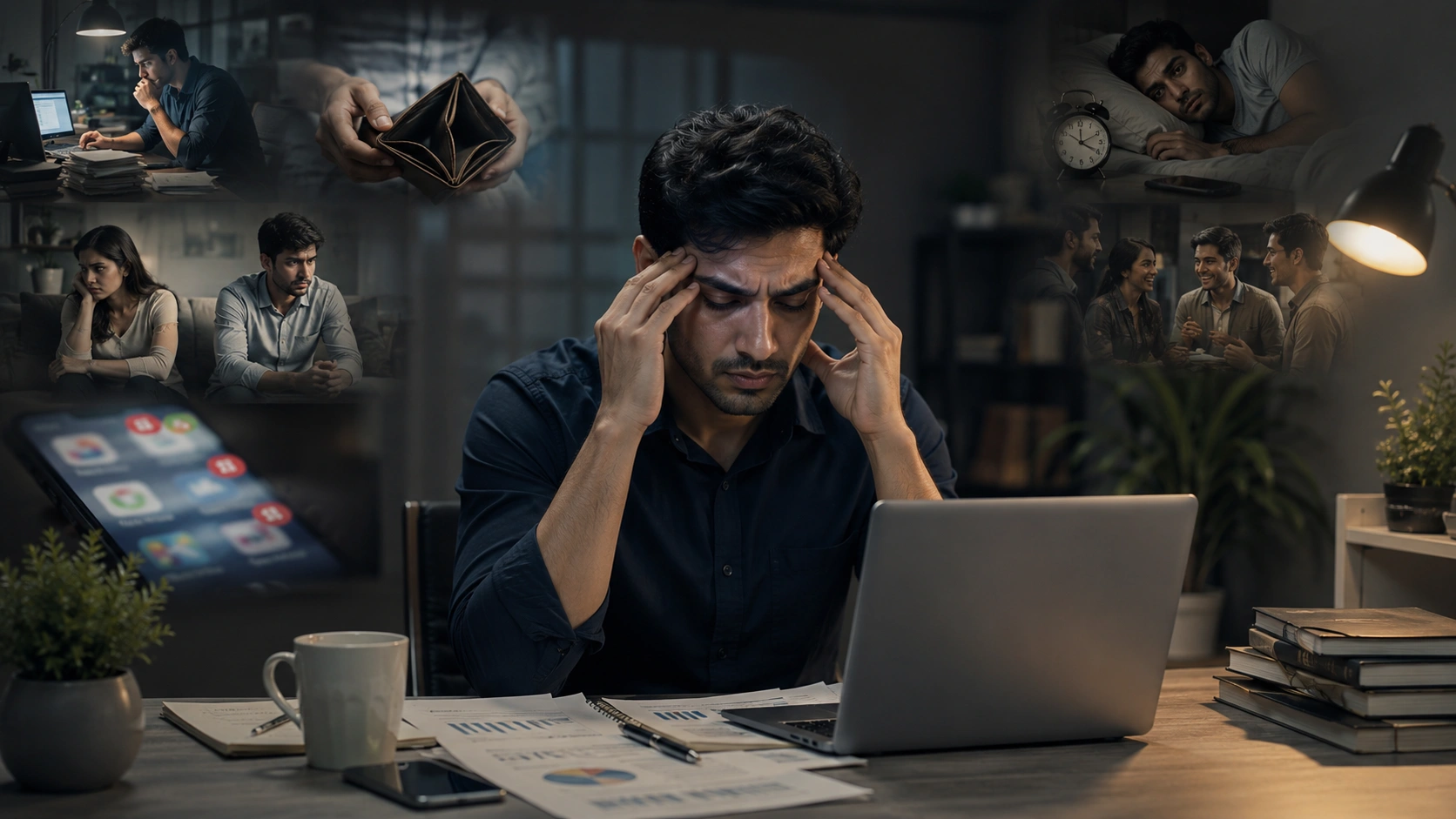
If you are experiencing recurring anxiety, panic attacks, fear of another attack, excessive worrying, or physical symptoms, professional support can help you understand what’s happening.
Vaibhav Mishra provides online mental health counseling, allowing you to discuss your concerns remotely from a comfortable environment.
Counseling may be useful for concerns related to anxiety, panic attacks, overthinking, excessive worrying, stress, and sleep difficulties associated with anxiety.
Take the First Step
If anxiety or physical symptoms are beginning to control your everyday life, consider talking to a mental health professional.