
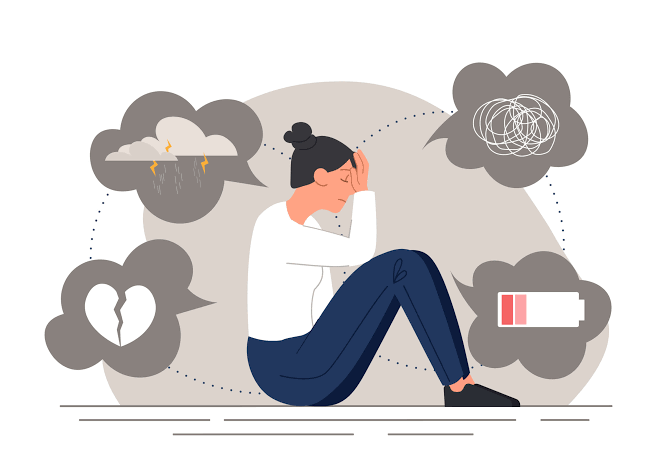
Mental health is just as important as physical health, yet mental illness remains one of the most misunderstood topics today. Misconceptions often prevent people from seeking the help they need.
To build a more empathetic society, we must separate stigma from scientific reality. Here are 5 common myths about mental illness—debunked.
Myth 1: Mental illness is a sign of weakness.
Fact: Mental health conditions are medical issues, not character flaws.
Just like diabetes or heart disease, mental illnesses are complex conditions influenced by genetics, brain chemistry, life experiences, and trauma. Wanting to “snap out of it” isn’t enough—proper care and support are essential.
Myth 2: People with mental illness are unpredictable or dangerous.
Fact: The vast majority of people with mental health conditions are active, peaceful members of society.
In reality, individuals living with severe mental illnesses are far more likely to be victims of violence rather than perpetrators.
Myth 3: Therapy and psychiatric care are only for extreme cases.
Fact: Seeking professional support early prevents minor struggles from escalating.
Therapy provides tools for stress management, emotional regulation, and self-awareness. You don’t need to reach a crisis point before speaking with a professional.