
What Is Anxiety and Why Does It Happen?
Have you ever felt worried about something even when everything seems fine? Maybe your mind keeps thinking about the future, you imagine the worst possible outcome, or you feel restless without knowing exactly why.
Everyone experiences anxiety from time to time. Feeling nervous before an interview, an important exam, a presentation, or a major life decision can be a normal response to stress.
But sometimes anxiety becomes more frequent, intense, or difficult to control. It may start affecting your sleep, work, relationships, concentration, or everyday activities.
So, what is anxiety, why does it happen, and when should you consider getting professional help?
In this article, we’ll explain anxiety in simple language, discuss its common causes and symptoms, look at different types of anxiety, and explain how professional support and online anxiety consultation can help.
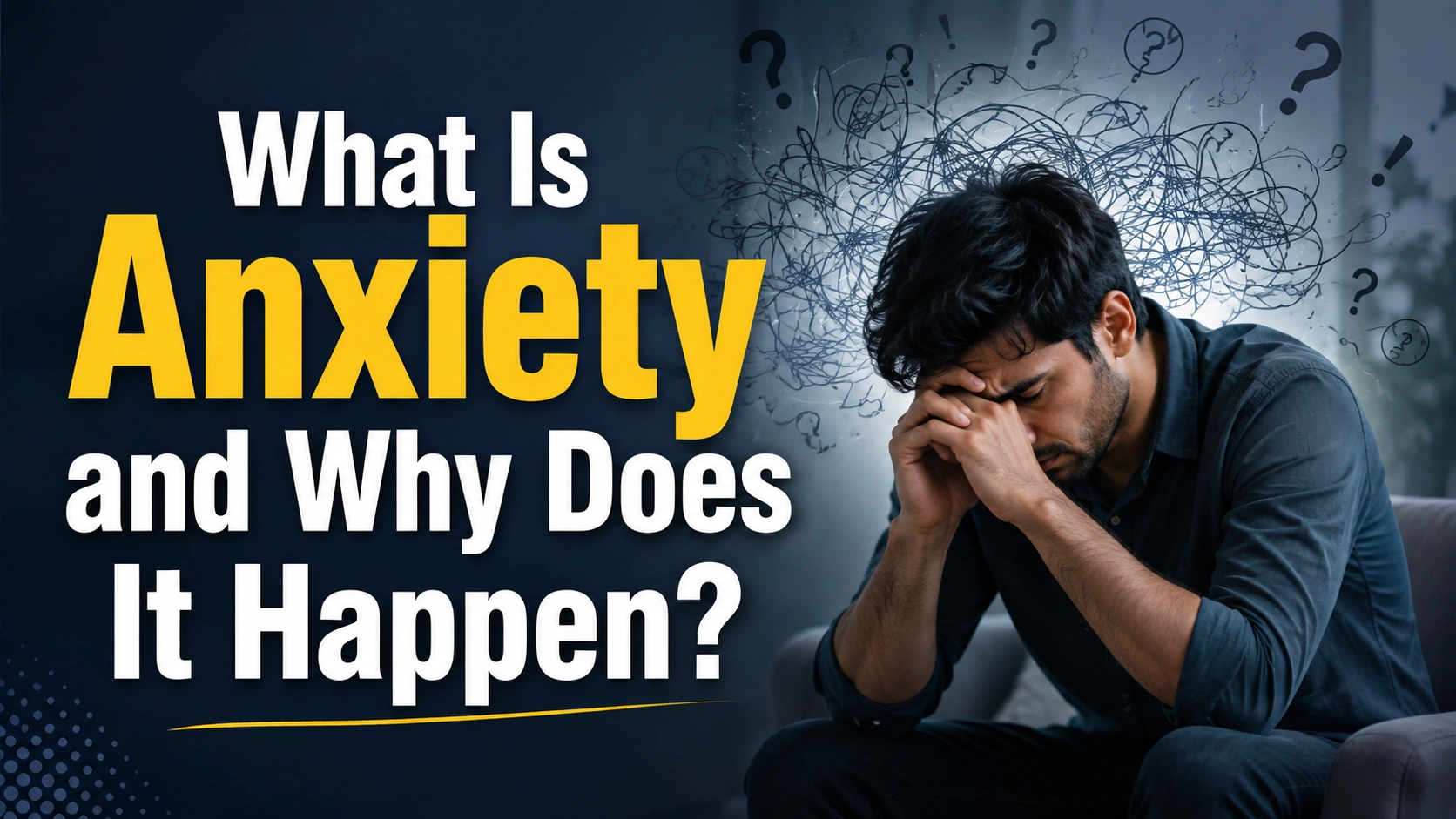
What Is Anxiety?
Anxiety is a natural emotional and physical response to situations that feel stressful, uncertain, threatening, or overwhelming.
It is your body’s way of preparing you to deal with a perceived threat. This response can make you more alert and ready to act.
For example, you might feel anxious before:
- A job interview
- An important exam
- A public presentation
- A medical appointment
- A difficult conversation
- A major financial decision
- Moving to a new place
In these situations, some level of anxiety can be completely normal.
The concern arises when anxiety becomes persistent, excessive, difficult to control, or starts interfering with everyday life.
Why Does Anxiety Happen?
There is no single reason why someone develops anxiety.
Anxiety can be influenced by a combination of psychological, biological, environmental, and lifestyle factors.
For some people, anxiety may develop during a particularly stressful period. For others, it may be connected to long-term stress, difficult life experiences, family history, or patterns of thinking and behavior.
Let’s look at some common factors.
1. Stress and Everyday Pressure
One of the most common factors associated with anxiety is ongoing stress.
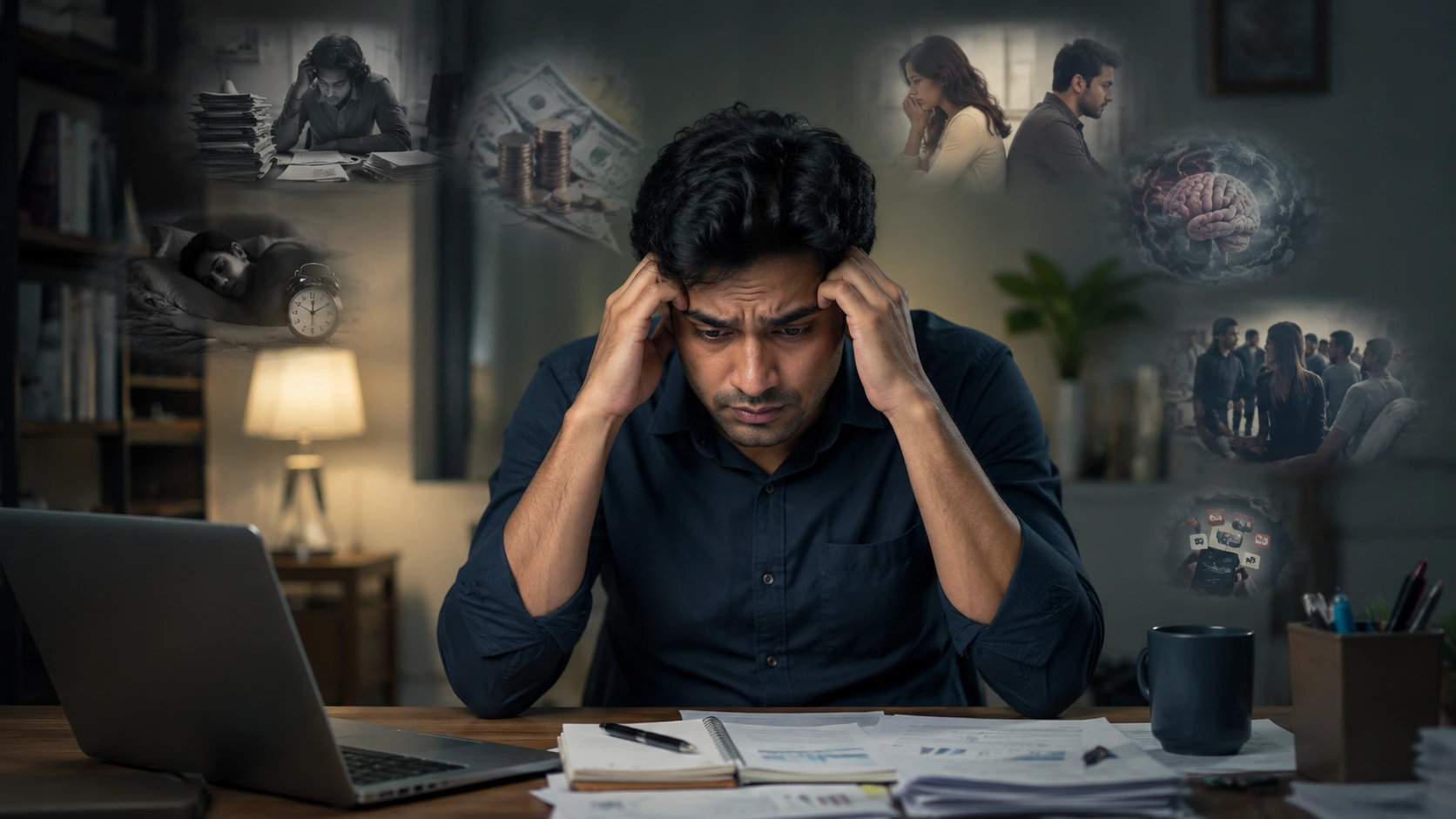
Work deadlines, academic pressure, financial concerns, relationship difficulties, family responsibilities, and uncertainty about the future can all contribute to feelings of worry.
A short period of stress may be manageable. However, when stress continues for a long time without enough recovery or support, anxiety may become harder to manage.
You may notice yourself constantly thinking:
- “What if something goes wrong?”
- “What will happen in the future?”
- “Am I making the right decision?”
- “What if I fail?”
- “What will people think about me?”
When these thoughts become repetitive and difficult to switch off, they can contribute to ongoing anxiety.
2. Difficult or Traumatic Life Experiences
Past experiences can sometimes influence how a person responds to stressful situations.
Difficult experiences such as loss, relationship problems, bullying, abuse, major life changes, or other distressing events may affect a person’s sense of safety and emotional well-being.
This does not mean that everyone who experiences a difficult event will develop an anxiety disorder.
People respond to stressful experiences differently, and many factors can influence how someone processes them.
3. Genetics and Family History
Anxiety can also be influenced by biological and genetic factors.
If anxiety disorders occur in a family, a person may have a greater vulnerability to developing anxiety.
However, having a family history does not mean that someone will definitely develop an anxiety disorder.
Genetics can be one part of the picture, along with life experiences, environment, stress, personality, and other factors.
4. Overthinking and Unhelpful Thought Patterns
Sometimes anxiety is connected to the way we interpret situations.
For example, imagine receiving a short message from your manager:
“Can we talk tomorrow?”
One person might think: “Maybe they just want to discuss a project.”
Another person might immediately think: “I must have done something wrong. Maybe I’m going to lose my job.”
The situation is the same, but the interpretation is different.
When the mind repeatedly focuses on possible negative outcomes, it can increase feelings of worry and fear.
This is one reason psychological therapies such as Cognitive Behavioral Therapy (CBT) may focus on identifying and changing unhelpful thought patterns.
5. Lifestyle and Daily Habits
Certain lifestyle factors may influence anxiety symptoms.
These can include:
- Poor or irregular sleep
- High levels of caffeine
- Lack of physical activity
- Ongoing stress
- Poor daily routine
- Excessive screen time or constant digital stimulation
Lifestyle changes alone may not be enough to treat an anxiety disorder, but healthy habits can be an important part of overall mental well-being.
6. Major Life Changes
Even positive changes can sometimes create anxiety.
Starting a new job, getting married, moving to another city, becoming a parent, changing careers, or entering a new stage of life can involve uncertainty and responsibility.
You may be excited about the change while also feeling worried about what comes next.
This combination of excitement and uncertainty can sometimes increase anxiety.
What Are the Common Symptoms of Anxiety?
Anxiety can affect more than just your thoughts.
It can influence your body, emotions, concentration, behavior, and sleep.
Physical Symptoms
Common physical symptoms may include:
- Increased heart rate
- Sweating
- Muscle tension
- Restlessness
- Trembling
- Feeling tired
- Difficulty sleeping
- Stomach discomfort
- Feeling short of breath
- Feeling dizzy or lightheaded
Not everyone experiences the same symptoms.
Emotional Symptoms
You may experience:
- Excessive worrying
- Fear or nervousness
- Feeling overwhelmed
- Irritability
- Difficulty relaxing
- Feeling constantly “on edge”
- Fear about the future
- Difficulty controlling worrying thoughts
Behavioral Symptoms
Anxiety can also affect the way you behave.
For example, you may:
- Avoid certain situations
- Avoid social interactions
- Keep asking others for reassurance
- Delay important tasks
- Withdraw from activities you normally enjoy
- Spend excessive time checking or worrying about things
When anxiety begins changing your normal behavior, it may be a sign that professional support could be helpful.
Is Anxiety Normal or Is It an Anxiety Disorder?
This is an important distinction.
Normal anxiety is usually connected to a specific situation and may decrease when the situation passes.
For example, feeling nervous before an interview is common.
An anxiety disorder, on the other hand, involves anxiety or fear that is excessive, persistent, or significantly interferes with everyday functioning.
It is not always easy to make this distinction by yourself.
A mental-health professional can assess your symptoms, history, and how anxiety is affecting your life.
What Are the Different Types of Anxiety Disorders?
Anxiety can appear in different forms.
Generalized Anxiety Disorder (GAD)
People with generalized anxiety may experience excessive and persistent worry about different areas of life, such as work, health, family, finances, or everyday responsibilities.
The worrying can feel difficult to control and may be accompanied by restlessness, fatigue, muscle tension, irritability, or sleep difficulties.
Panic Disorder
Panic disorder involves recurring panic attacks and ongoing concern about experiencing another attack or its consequences.
A panic attack can involve intense fear along with physical symptoms such as a racing heart, sweating, trembling, dizziness, or shortness of breath.
Social Anxiety Disorder
Social anxiety involves significant fear or anxiety in social or performance situations.
A person may worry about being judged, embarrassed, rejected, or negatively evaluated by others.
This can sometimes lead to avoiding social situations.
Specific Phobias
A specific phobia involves an intense fear related to a particular object or situation.
Examples can include fear of heights, certain animals, flying, injections, or enclosed spaces.
The level of fear can be much greater than the actual danger involved.
Anxiety vs Stress: What Is the Difference?
Stress and anxiety can feel similar, but they are not exactly the same.
| Stress | Anxiety |
|---|---|
| Often connected to a specific pressure or situation | Can continue even when there is no immediate threat |
| May improve when the stressful situation changes | Can persist over time |
| Can be a normal response to challenges | May become excessive or difficult to control |
| Usually has an identifiable trigger | May sometimes occur without an obvious trigger |
There can also be overlap between stress and anxiety.
If you’re unsure what you’re experiencing, talking to a mental-health professional can help you understand your symptoms.
When Does Anxiety Become a Problem?
Anxiety deserves attention when it starts interfering with your everyday life.
You may want to consider professional support if:
- You worry excessively and find it difficult to stop
- Your sleep is regularly affected
- Anxiety is affecting your work or studies
- You avoid normal activities because of fear
- Your relationships are being affected
- You experience frequent panic-like episodes
- You constantly seek reassurance
- Your thoughts feel difficult to control
- Self-help strategies are not enough
You do not have to wait until anxiety becomes severe before asking for help.
How Is Anxiety Treated?
The good news is that anxiety is treatable.
Treatment is not exactly the same for everyone. The right approach depends on the type and severity of symptoms, individual circumstances, and professional assessment.
Treatment may include:
- Psychotherapy
- Cognitive Behavioral Therapy (CBT)
- Other evidence-based psychological approaches
- Medication when clinically appropriate
- Lifestyle changes
- Stress-management strategies
- Ongoing follow-up and support
Can Anxiety Be Treated Through Online Consultation?
Yes, online mental-health consultation can be a convenient option for many people seeking psychological support for anxiety.
Instead of traveling to a clinic, you can speak with a psychologist from a private and comfortable environment such as your home.
An online consultation may involve:
- Discussing your current concerns
- Understanding your symptoms
- Exploring possible triggers
- Discussing your personal history
- Identifying patterns of anxious thinking
- Setting therapy goals
- Learning practical coping strategies
- Planning follow-up sessions
Online consultation can also make it easier for people who feel uncomfortable visiting a clinic or who have busy schedules.
However, whether online care is appropriate depends on the person’s individual situation and clinical needs.
What Happens During an Online Anxiety Consultation?
Many people feel nervous before their first therapy session because they don’t know what to expect.
An online consultation is generally a conversation where you can explain what you’ve been experiencing.
During the first session, you may discuss:
- What symptoms you’re experiencing
- When the symptoms started
- Situations that make anxiety worse
- How anxiety affects your daily life
- Sleep and lifestyle patterns
- Previous experiences with mental-health support
- Your goals for therapy
The psychologist may then discuss possible treatment approaches and recommend the next steps based on the assessment.
Follow-up sessions may focus on:
- Understanding anxious thoughts
- Developing coping strategies
- Managing triggers
- Working on avoidance behaviors
- Building healthier patterns
- Monitoring progress
Therapy is not about judging you. It is a structured process designed to help you understand what you’re experiencing and develop useful ways to manage it.
Can Anxiety Be Treated Without Medication?
For some people, psychotherapy may be an important part of anxiety treatment without medication.
Therapy can help you:
- Understand your anxiety
- Identify triggers
- Recognize unhelpful thought patterns
- Develop coping skills
- Gradually change avoidance behaviors
- Build confidence in managing difficult situations
However, not everyone has the same treatment needs.
Some people may benefit from medication, psychotherapy, or a combination of approaches.
Medication should only be started, changed, or stopped under appropriate medical guidance.
How Can You Manage Anxiety in Everyday Life?
Professional treatment can be important when anxiety is persistent, but healthy daily habits can also support your overall well-being.
You can consider:
- Maintain a regular sleep routine: Try to maintain consistent sleeping and waking times.
- Stay physically active: Regular physical activity can support overall physical and mental well-being.
- Pay attention to caffeine: For some people, high caffeine intake can make feelings such as restlessness or a racing heart more noticeable.
- Practice slow breathing: Simple breathing exercises may help you focus on the present moment when you feel overwhelmed.
- Stay connected: Talking to someone you trust can help reduce isolation and provide emotional support.
- Create a manageable routine: Breaking large tasks into smaller steps can make overwhelming situations feel more manageable.
What Is the Best Treatment for Anxiety?
There is no single treatment that is automatically the best for every person.
The most appropriate approach depends on:
- Type of anxiety
- Severity of symptoms
- How long symptoms have been present
- Impact on daily life
- Previous treatment
- Individual preferences
- Other health or mental-health concerns
A professional assessment can help determine what type of support may be appropriate.
Can Anxiety Go Away on Its Own?
Sometimes temporary anxiety may decrease when a stressful situation passes.
However, persistent or worsening anxiety should not simply be ignored.
If anxiety continues to interfere with your sleep, work, relationships, studies, or everyday activities, seeking professional support can be a practical step.
Getting help does not mean that you are weak.
It means you are taking your mental well-being seriously.
Common Myths About Anxiety
Myth 1: Anxiety means you are weak.
Reality: Anxiety can affect people from many different backgrounds. Experiencing anxiety does not mean you lack strength.
Myth 2: You can simply stop worrying.
Reality: Persistent anxiety is not always something a person can switch off by simply deciding not to worry.
Myth 3: Anxiety always requires medication.
Reality: Treatment varies from person to person. Psychotherapy is an important treatment option for many people.
Myth 4: Therapy is only for severe mental illness.
Reality: People seek therapy for many different concerns, including anxiety, stress, relationship difficulties, and emotional challenges.
Myth 5: Asking for help makes the problem worse.
Reality: Getting professional support can help you understand your symptoms and learn strategies to manage them.
When Should You Seek Professional Help for Anxiety?
Consider speaking with a mental-health professional if anxiety is:
- Persistent
- Difficult to control
- Affecting your sleep
- Interfering with work or studies
- Affecting relationships
- Causing you to avoid normal activities
- Leading to frequent panic-like symptoms
- Making everyday life difficult
You don’t need to have all of these symptoms to seek help.
If something is affecting your quality of life and you are struggling to manage it alone, it is reasonable to talk to a professional.
Frequently Asked Questions About Anxiety
What is anxiety?
What causes anxiety?
What are the most common symptoms of anxiety?
Can anxiety be treated?
Can anxiety be treated through online consultation?
Can anxiety be treated without medication?
Is CBT helpful for anxiety?
Should I see a psychologist or psychiatrist for anxiety?
How long does anxiety treatment take?
When should I get help for anxiety?
Explore Related Mental Health Topics
Explore Online Anxiety Treatment Across Cities
Connect with confidential, professional mental health counseling and therapy tailored for anxiety relief in your city, available from home.
Gurugram
Professional anxiety therapy and counseling support in Gurugram.
Hyderabad
Expert online mental health care tailored for anxiety in Hyderabad.
Bengaluru
Confidential anxiety treatment and counseling sessions in Bengaluru.
Noida
Specialized therapy and online support for anxiety across Noida.
Bhopal
Professional anxiety counseling and online guidance in Bhopal.
Mumbai
Accessible online anxiety therapy and support in Mumbai.
Pune
Dedicated online mental health and counseling for Pune.
Delhi
Professional anxiety therapy and counseling in Delhi.